

Shock loss after a hair transplant is one of the most common concerns patients experience during recovery. Many individuals become worried when transplanted hair suddenly begins shedding within the first few weeks after surgery. However, in most cases, shock loss is completely normal and temporary.
Understanding the causes of shock loss, its recovery timeline, and the best aftercare practices can help patients feel more confident throughout their hair restoration journey. Additionally, learning what to expect after an FUE or DHI hair transplant allows patients to maintain realistic expectations while waiting for their final results.
In this article, we explain everything patients should know about shock loss after a hair transplant, including its causes, phases of recovery, potential complications, and the best ways to support healthy hair regrowth.
What is Shock loss after a hair transplant?
Shock loss is common among patients who undergo a hair transplant procedure. It is characterized by the sudden shedding of transplanted hair shortly after surgery.
Although patients often become anxious when shedding begins, shock loss is generally a normal part of the healing process.
Why does Shock Loss happen?
The primary cause of shock loss relates to the initial trauma caused to the hair follicle during extraction from the donor area at the back of the scalp.
The extracted hair follicle experiences a certain degree of injury, including:
- Trauma to the base of the hair shaft
- Damage to the root sheath
- Temporary stress affecting the dermal papilla
- Inflammation surrounding the graft area
As a result of this inflammation, the body temporarily shuts down the active hair growth cycle and initiates a resting phase known as telogen. During this resting phase, visible hair growth stops temporarily.
Fortunately, the follicles themselves usually remain healthy beneath the scalp and eventually begin producing hair again.
Is Shock loss permanent?
Many patients ask whether shock loss is permanent. In most cases, the answer is no.
Although the visible hair shafts shed during recovery, the transplanted follicles generally remain implanted beneath the skin. Consequently, new hair growth usually begins several months later.
However, recovery timelines vary depending on factors such as:
- Genetics
- Age
- Scalp health
- Hair quality
- Surgeon expertise
- Post-operative care
Therefore, patience remains extremely important during the recovery process.
When does Shock loss start?
Most patients begin noticing shock loss approximately 2–4 weeks after their hair transplant procedure.
At first, transplanted hairs typically remain stable. However, shedding gradually begins during the second or third week after surgery.
Common symptoms of Shock loss
Patients commonly notice:
- Sudden hair shedding
- Temporary thinning in the recipient area
- Mild redness or irritation
- Uneven density
- Increased scalp sensitivity
Although this phase may feel discouraging, it does not indicate transplant failure.
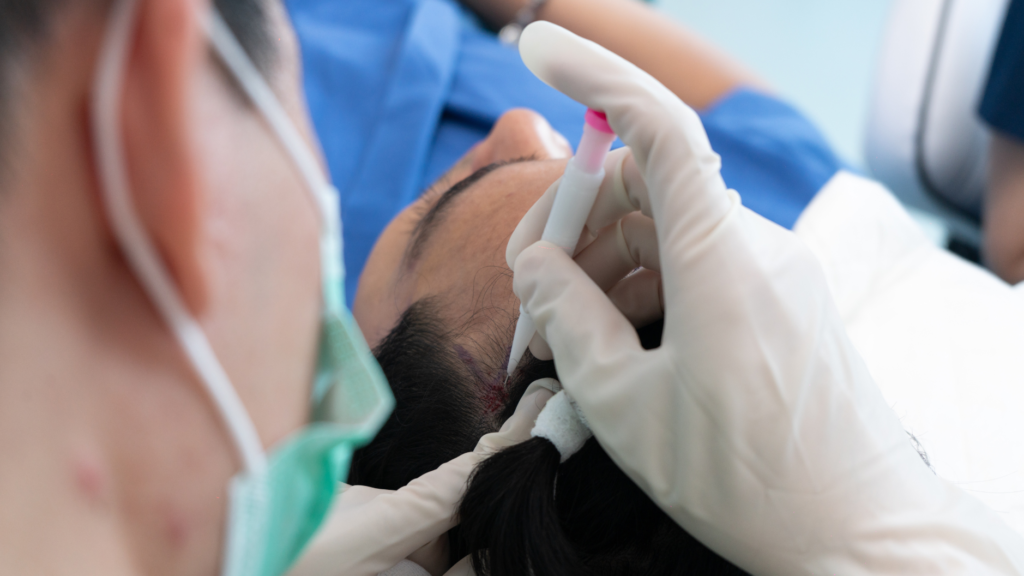
Hair Transplant recovery timeline
Recovery from a hair transplant involves several phases. These phases vary based on individual characteristics, genetics, scalp condition, age, and overall hair quality.
Phase 1 – First few days Post surgery
After undergoing a hair transplant procedure, patients normally experience redness, swelling, and tenderness on the scalp.
The first few days after surgery are extremely important for supporting proper healing and graft survival.
During this stage, patients should:
- Avoid touching the grafts
- Sleep carefully with head elevation
- Follow washing instructions closely
- Avoid smoking and alcohol
Phase 2 – Week 1 to 14 days post-surgery
During the first two weeks, most patients notice tiny scabs forming around the graft sites where transplanted hairs were placed.
Fortunately:
- Swelling usually decreases
- Redness gradually improves
- The scalp begins stabilizing
- Healing progresses steadily
Proper scalp hygiene remains essential during this phase.
Phase 3 – Weeks 2–8 Post surgery
Between weeks two and eight, patients normally experience shock loss as transplanted hairs enter a resting phase.
At times, patients may feel concerned because visible growth appears minimal. However, this stage is a natural part of the recovery process.
During this period:
- Hair shedding increases
- Follicles remain dormant
- Blood circulation improves
- Internal healing continues beneath the skin
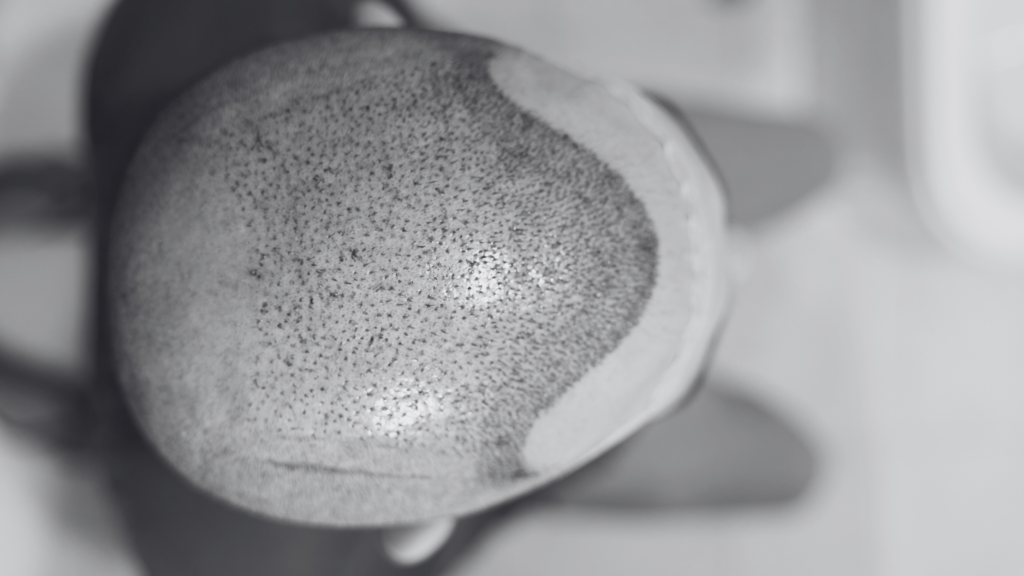
Phase 4 – Months 2–6 Post surgery
Within two to six months after surgery, fine hairs slowly begin emerging from the scalp.
Initially, these hairs may appear thin, weak, or fragile. Nevertheless, they represent healthy follicles beginning to produce hair again.
Patients commonly notice:
- Early hair regrowth
- Increased density
- Better scalp coverage
- Gradual improvement in hairline definition
It may take up to twelve months for these hairs to develop full thickness and strength.
Phase 5 – Months 7–24 Post surgery
Most patients truly evaluate their final hair transplant results between months nine and eighteen.
During this stage, patients generally observe:
- Significant density improvements
- Fuller hair growth
- Thicker hair shafts
- More natural looking results
Consequently, confidence and satisfaction usually increase considerably during this phase.
Does Shock loss affect native hair?
Whether shock loss affects native hair depends on multiple factors.
In some cases, surrounding native hair may temporarily shed after surgery. This type of shedding commonly occurs in areas already affected by thinning or androgenetic alopecia.
Why does native hair shed?
Native hair may temporarily shed because of:
- Surgical stress
- Temporary inflammation
- Changes in blood circulation
- Scalp trauma during implantation
Fortunately, native hair usually regrows once the scalp fully recovers.
What treatments help protect native hair?
Patients experiencing advanced thinning should discuss long term preservation strategies with their clinic.
Recommended options may include:
- PRP Therapy
- Finasteride
- Minoxidil
- Supportive scalp treatments
PRP therapy stimulates collagen production while promoting faster healing and healthier scalp conditions.
Meanwhile, medications such as finasteride and minoxidil may help minimize additional shedding and improve overall scalp health.
How can patients minimize shock loss?
Although there is no guaranteed way to completely prevent shock loss, patients can significantly reduce the severity of shedding by following proper aftercare instructions.
Best ways to reduce shock loss
Patients should:
- Avoid smoking and nicotine
- Follow all post-operative instructions carefull
- Maintain excellent scalp hygiene
- Drink plenty of water
- Follow a healthy high-protein diet
- Avoid unnecessary stress
Additionally, maintaining healthy blood circulation supports healing and graft survival.
Why is smoking harmful?
Smoking has numerous negative effects on hair transplant outcomes.
Nicotine:
- Reduces oxygen flow to the scalp
- Delays wound healing
- Damages cells responsible for hair growth
- Reduces graft viability
Therefore, quitting smoking before and after surgery significantly improves recovery potential.
Essential post hair transplant care tips
Following proper aftercare instructions remains one of the most important parts of recovery.
Additional recovery tips
Patients should:
- Keep pillowcases clean
- Avoid swimming for at least 30 days
- Avoid chemical-based hair products
- Refrain from hair dyes and coloring
- Avoid tight helmets or headgear
- Limit heavy exercise during early recovery
Additionally, gentle handling of the scalp remains extremely important during the first month.
When should patients contact their clinic?
Although complications after modern FUE and DHI procedures are relatively uncommon, patients should still monitor recovery carefully.
Patients should contact their clinic immediately if they notice:
- Severe pain
- Excessive swelling
- Infection signs
- Bleeding
- Unusual irritation
Early medical attention helps prevent more serious complications.
Conclusion
Shock loss after a hair transplant is one of the most common and misunderstood stages of hair restoration recovery. Although temporary shedding may feel stressful, it is generally a normal sign that the transplanted follicles are transitioning into a new growth cycle.
Understanding the causes of shock loss, the recovery timeline, and the expected regrowth process helps patients approach recovery with realistic expectations and greater confidence.
With proper aftercare, healthy lifestyle habits, and patience, most patients begin seeing noticeable hair regrowth within several months and continue improving throughout the first year after surgery.
Modern FUE and DHI hair transplant procedures continue to provide highly effective and natural looking solutions for individuals experiencing hair loss. However, long term success depends not only on the surgical procedure itself but also on proper healing, scalp care, and realistic expectations.
If you have concerns about your recovery or would like to explore hair restoration options, schedule a consultation with the expert team at Top Hair Loss Clinic today.