

Understanding the hair restoration timeline
The hair restoration timeline is divided into multiple phases, each occurring at specific times throughout the recovery process. These stages begin with the immediate postoperative period during the first few weeks and continue with gradual changes that develop over the course of 6–18 months.
A patient’s expectations regarding their appearance immediately after a hair transplant largely depend on how much information they receive before surgery. Most individuals experience mild swelling, minor bruising, redness, and slight tenderness in both the donor and recipient areas. Fortunately, these side effects usually resolve quickly when patients carefully follow their post-operative care instructions.
Both FUE and DHI hair transplant procedures involve extracting hair follicles from the donor area and transplanting those follicular units into thinning or balding regions. Although the procedure itself is minimally invasive, the scalp still requires time to heal properly and support new hair growth.
Immediate postoperative phase
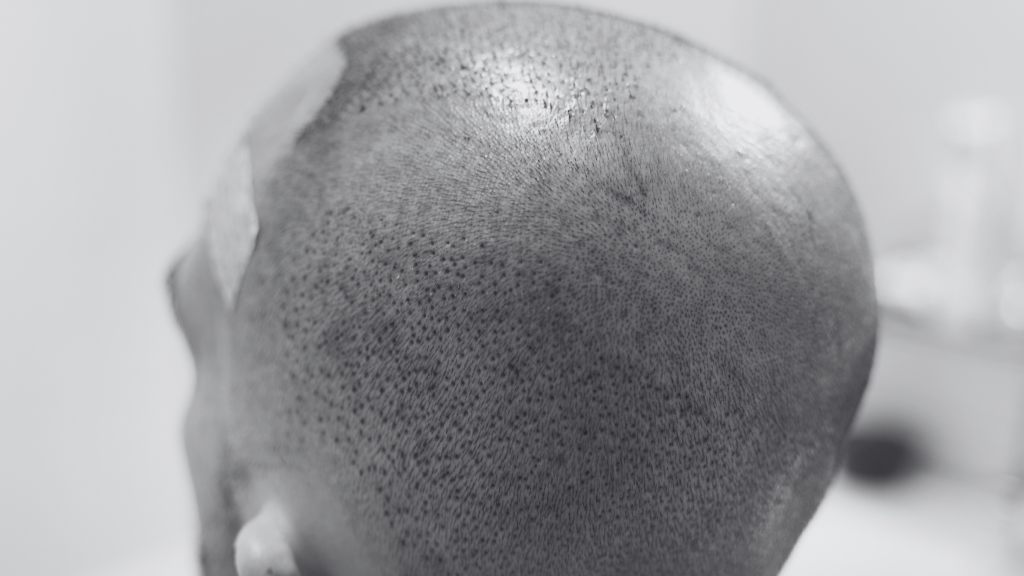
Many patients wonder what the scalp looks and feels like immediately after surgery. During the first several days, the healing process becomes the primary focus.
Common Side Effects After Hair Transplant Surgery
Some of the most common side effects experienced after a hair transplant include:
- Tiny scabs around the grafts
- Mild swelling on the forehead
- Temporary redness
- Slight tightness or tenderness
Fortunately, most of these symptoms improve significantly within 7–10 days.
What Should Patients Avoid After Surgery?
Patients should avoid several activities during the early recovery phase to protect newly implanted grafts and maximize hair transplant success.
These include:
- Touching or scratching the scalp
- Engaging in heavy physical activity during the first week
- Smoking
- Alcohol consumption
- Exposing the scalp directly to sunlight
- Sleeping flat on the scalp
Additionally, following the clinic’s shampooing and scalp care instructions carefully helps keep grafts secure while reducing the risk of complications.
Essential Hair Transplant Aftercare Instructions
Following the correct aftercare routine is one of the most important factors for achieving successful hair transplant results. Patients should carefully follow all medical instructions during the healing process to protect the newly implanted grafts and support healthy hair growth.
Smoking
Patients should reduce or completely avoid smoking from the day of the procedure and for at least 25 days afterward. Nicotine negatively affects blood circulation and may reduce graft survival rates.
Driving
Driving is not allowed on the same day after moderate or major hair transplant procedures due to the effects of anesthesia, medication, and postoperative discomfort.
Medication
Antibiotics and corticosteroids, along with stomach protection medication when necessary, are commonly prescribed for 4–5 days in larger cases, diabetic patients, or individuals with specific medical conditions.
Patients should:
- Start medication the day before or the day of the procedure
- Avoid excessive salt and sugar consumption
- Monitor blood sugar carefully if diabetic
- Use most painkillers if needed, except aspirin
Sleeping
Patients should sleep on their back or side depending on the treated area. Additionally, using a clean pillowcase or towel every day helps reduce the risk of infection during the healing process.
Activities and Habits to Avoid
To maximize graft survival and support healthy healing, patients should avoid:
- Sun exposure for 20–25 days, especially strong sunlight
- Rain for 15 days and wash immediately if exposed
- Minoxidil for 15–20 days
- Sexual activity for 3 days
- Heavy work or bending for 10–12 days
- Hard foods and intense facial expressions for 3–5 days
- Hair dryers, gel, spray, chemicals, hair dye, and haircuts for 30 days
- Helmets for 30 days
- Aerobic exercise such as running for 7–10 days
- Weight training for 20–25 days
- Swimming or submerging the head underwater for 30 days
From day six onward, patients may enter water without dipping the head underwater while wearing a protective hat.
Hat
Patients may wear a clean hat beginning on day six. However, the hat must be placed carefully without touching the recipient area to avoid disturbing the grafts.
Hygiene
Patients should avoid dirty environments, dust, and poor hygiene conditions for approximately 25 days after surgery. Maintaining excellent cleanliness significantly lowers the risk of infection.
Additionally, patients should remain cautious around pets and ensure that bedding, towels, and personal items remain clean throughout recovery.
Shampoo
Most specialists recommend using a neutral pH shampoo during recovery. However, regular high-quality shampoos may also be acceptable depending on the clinic’s instructions.
Diet
A high-protein diet supports tissue healing and healthy hair growth after a hair transplant procedure.
Recommended foods include:
- Meat
- Fish
- Eggs
- Dairy products
- Vegetables
- Legumes
- Soy products
- Cereals
- Nuts
Patients should maintain this nutritional approach for at least 30 days after surgery.
Avoid Harmful Substances
Patients should completely avoid harmful substances such as nicotine and cocaine because they may negatively affect circulation, healing, and long-term hair transplant success.
Hair Restoration Timeline Month One
By the end of the first month, many transplanted hairs begin shedding. Doctors refer to this stage as shock loss. Although losing hair may initially seem concerning, it is actually a completely expected part of the hair restoration process.
Why Does Shock Loss Occur?
Shock loss occurs because transplanted hair follicles temporarily enter a resting phase before beginning a new growth cycle. During this time, the visible hair shafts fall out while the follicles remain healthy beneath the scalp.
This temporary shedding allows the follicles enough time to recover and prepare for new hair production.
Common Symptoms During Month One
During the first month, many patients notice:
- Temporarily reduced hair density
- Mild itching
- Increased scalp sensitivity
- More noticeable redness in the recipient area
Although this phase can feel frustrating, it does not indicate unsuccessful hair transplant results. On the contrary, it often confirms that the follicles have successfully transitioned into the next stage of the growth cycle.
Hair Restoration Timeline Months Two to Three
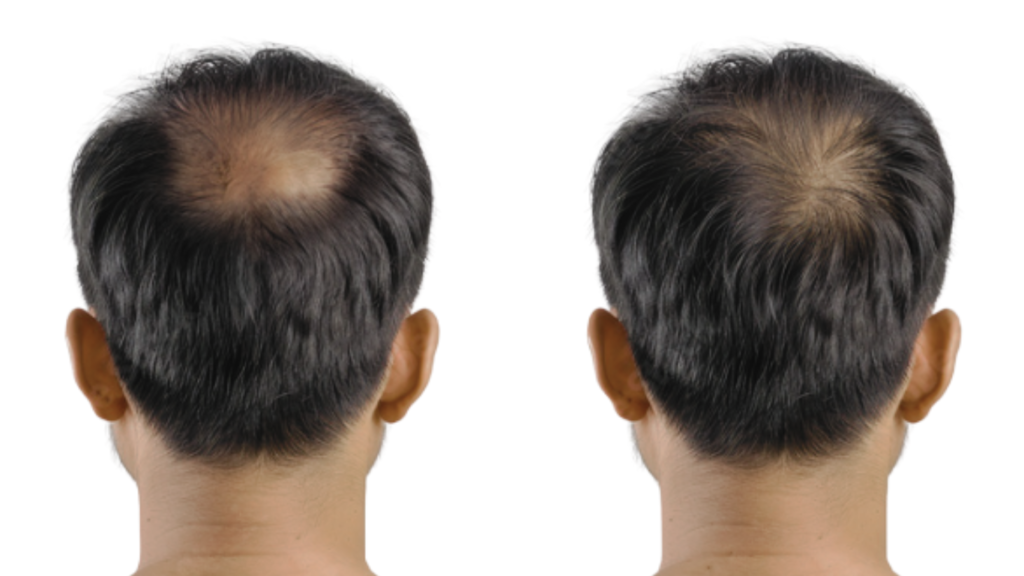
Why does it appear as though there is little or no hair growth between months two and three? The answer is simple: most hair follicles remain dormant beneath the surface of the scalp during this stage.
Since many follicles are still inactive, patients usually do not see significant visible growth yet. However, important healing and regenerative activity continues underneath the skin.
What Happens Beneath the Scalp?
During this period:
- Blood circulation around grafts improves
- Hair follicles become stronger
- New growth cycles begin forming
- Fine hairs may start emerging
As a result, patients gradually move closer to noticeable hair regrowth.
Is Uneven Hair Growth Normal?
Yes, absolutely. Hair follicles grow at different rates, which means uneven density during the early stages of recovery is completely normal.
Every patient heals differently based on several factors, including:
- Genetics
- Hair texture
- Age
- Overall health
- Scalp condition
Therefore, comparing individual progress with other patients is rarely helpful.
Hair Restoration Timeline Months Four to Six
Most patients begin noticing visible improvements in their hair transplant results between months four and six.
At this stage, transplanted follicles start producing thicker, fuller strands of hair. Consequently, many patients experience a significant boost in confidence and optimism regarding their appearance.
Visible Improvements During Months Four to Six
Patients commonly notice:
- Increased hair density
• A more defined hairline
• Improved scalp coverage
• Thicker hair texture and diameter
Additionally, the transplanted hair begins blending more naturally with the surrounding native hair.
How Much Growth Is Visible by Month Six?
Approximately 50–60% of the final hair transplant results are usually visible by month six. However, growth rates still vary based on factors such as:
- Surgeon expertise
- Graft quality
- Scalp health
- Hair characteristics
It is also important to remember that crown areas often require more time to fully develop compared to the frontal hairline. Therefore, patience remains essential during this stage.
Hair Restoration Timeline Months Seven to Nine
During months seven to nine, the hair continues maturing and increasing in thickness. For many patients, this stage represents the most exciting part of the recovery journey because the transformation becomes increasingly noticeable.
How Does the Hair Improve?
Most patients observe:
- Greater overall volume
- Thicker hair shafts
- Denser texture
- Easier styling and grooming
Additionally, the hairline typically appears more refined, symmetrical, and natural looking.
Can Patients Resume Normal Grooming?
By this stage, most patients can safely resume normal grooming activities, including:
- Haircuts
- Hair coloring
- Salon visits
- Regular styling routines
However, maintaining good scalp health remains important for long-term hair restoration success. Patients should still avoid excessive direct sun exposure whenever possible.
Hair Restoration Timeline Months Ten to Twelve
For many patients, final hair transplant results become visible by month twelve.
Months ten through twelve generally represent the final stage of the hair restoration timeline because most transplanted follicles have reached full maturity.
Final Hair Transplant Results
At this stage, patients typically experience:
- Full hair density
- Mature hair texture
- Natural looking hairlines
- Stronger and healthier hair growth
Ultimately, these improvements create results that appear natural, permanent, and aesthetically balanced.

Conclusion
Understanding the hair restoration timeline month by month allows patients to approach the recovery process with realistic expectations and greater confidence. Although the first few months may feel slow due to temporary shedding and dormant follicles, each stage plays an essential role in achieving successful long-term hair transplant results.
From the immediate postoperative healing phase to the final stages of hair maturation between months ten and twelve, patients gradually experience increased density, stronger hair growth, and a more natural looking hairline. Additionally, maintaining proper aftercare, protecting scalp health, and following professional medical advice can significantly improve the overall outcome.
Modern FUE and DHI hair transplant procedures continue to provide highly effective and natural looking solutions for individuals experiencing hair loss. However, patience remains one of the most important parts of the journey because full results often continue developing over several months.
Patients considering hair restoration should always research experienced clinics, understand the recovery timeline thoroughly, and choose personalized treatment plans designed for their specific hair loss patterns and long-term goals.
To learn more about hair transplant procedures, hair loss treatments, and trusted clinics worldwide, visit Top Hair Loss Clinic.