

Hair transplant scabs are a normal part of the healing process after FUE and DHI hair transplant procedures. However, many patients wonder when scabs should fall off, how to remove them safely, and whether they can affect final hair transplant results.
The good news is that scabs are usually a positive sign that your scalp is healing. Nevertheless, understanding how to care for them properly is essential for protecting newly transplanted grafts and supporting healthy hair growth.
In this guide, we’ll explain everything you need to know about hair transplant scabs, including why they form, how long they last, when it’s safe to remove them, and what happens after they fall off.
What are hair transplant scabs?
Why do scabs form after a hair transplant?
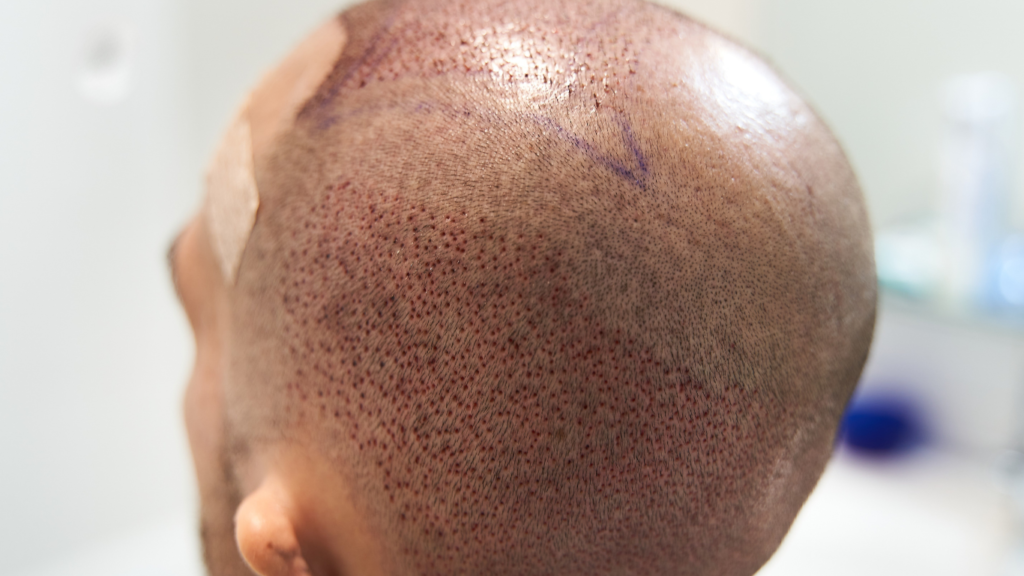
Many patients become concerned when they notice small crust like formations on their scalp shortly after surgery. Fortunately, these scabs are a completely normal part of the hair transplant healing process.
During an FUE Follicular Unit Extraction or DHI Direct Hair Implantation procedure, the surgeon creates tiny recipient sites where hair follicles are implanted. As a result, the body naturally produces small scabs made up of dried blood, plasma, and healing tissue.
These scabs serve an important purpose. They protect the newly transplanted hair follicles while the surrounding skin heals. Therefore, their presence is generally a positive sign that the scalp is recovering as expected.
Are hair transplant scabs a good thing?
Yes.
For most patients, hair transplant scabs are a natural and beneficial part of recovery. They indicate that the body’s wound healing response has been activated.
Although scabs may appear concerning, they are temporary and should not negatively affect your final hair transplant results when managed properly.
How long do hair transplant scabs last?
When will I notice scabs after my hair transplant procedure?
Most patients begin noticing scabs between 24 and 72 hours after surgery.
Initially, the scabs may appear small and lightly colored. However, they often become more noticeable throughout the first week of recovery.
How long does it take for hair transplant scabs to fall off?
The timeline varies slightly from patient to patient, but most individuals experience the following healing stages:
Days 1 to 3
- Healing begins.
- Small crusts form around the grafts.
- Mild redness may develop.
Days 4 to 7
- Scabs become more noticeable.
- The scalp remains sensitive.
- The grafts continue to stabilize.
Days 7 to 10
- Scabs begin to soften.
- Natural shedding starts.
- Healing progresses significantly.
Days 10 to 14
- Most scabs fall off naturally.
- The scalp appears cleaner and healthier.
- Redness gradually fades.
Generally speaking, by the end of the second week, most patients have little to no visible scabbing remaining.
When can I start removing hair transplant scabs?
Can I remove scabs before they have time to heal?
Yes, but doing so can create problems.
Immediately following surgery, newly transplanted grafts are still fragile. Attempting to remove scabs too early by picking, scratching, or rubbing the scalp may dislodge grafts before they become fully anchored.
Consequently, premature scab removal can negatively impact hair growth and potentially reduce the overall density of your final results.
When do hair grafts become secure?
Most hair transplant surgeons agree that grafts become firmly attached to the scalp approximately seven to ten days after surgery.
For this reason, many clinics recommend waiting until this stage before actively attempting to remove any remaining scabs.
However, you should always follow your surgeon’s specific aftercare instructions, as recovery protocols may vary depending on the technique used and your individual healing process.
How do I remove hair transplant scabs safely?
What is the best way to remove scabs?
Patience and gentle cleansing are the safest approach.
Step 1: Soften the Scabs
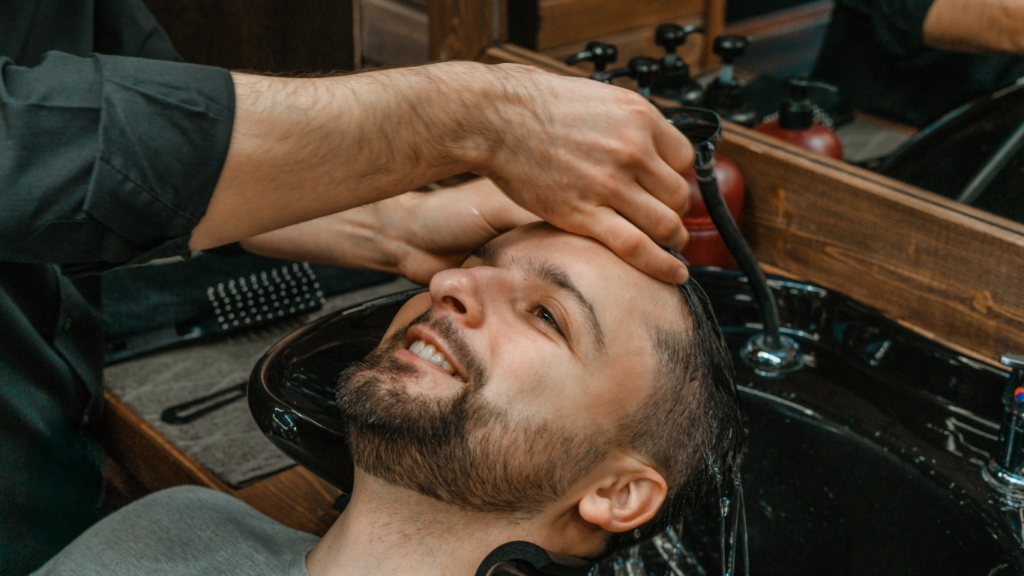
Begin by soaking the scalp with lukewarm water. Your surgeon may recommend applying a moisturizing lotion or saline solution before washing.
Allow the solution to sit on the scalp for approximately 20 to 30 minutes. This helps soften stubborn scabs and makes them easier to remove.
Step 2: Wash the Scalp Gently
Use only the shampoo recommended by your clinic.
Avoid scrubbing aggressively. Instead, gently massage the scalp using your fingertips while avoiding your fingernails.
Why Is Gentle Washing Important?
Gentle washing gradually loosens the scabs without disturbing the transplanted follicles underneath.
Additionally, proper scalp hygiene reduces the risk of infection and supports healthy healing.
Step 3: Use Gentle Circular Motions
Once your surgeon confirms it is safe, begin using light circular movements while washing your scalp.
This technique helps loosen the scabs naturally while protecting the grafts and supporting continued healing.
Step 4: Continue Daily Washing
Do not expect all scabs to disappear after a single wash.
Continue following your clinic’s aftercare instructions and wash your scalp as directed. Most remaining scabs will gradually detach over the following days.
What should you avoid during hair transplant recovery?
Will picking at my scabs cause damage?
Very likely.
Many patients feel tempted to remove visible scabs manually. Unfortunately, picking, scratching, or peeling away scabs can damage healing tissue and increase the risk of complications.
What should you avoid?
Avoid the following:
- Picking or scratching the scalp
- Removing dry scabs manually
- Applying excessive pressure during washing
- Using products not approved by your clinic
- Exposing the scalp to excessive heat
- Ignoring post-operative instructions
In addition, patients should avoid strenuous exercise during the early stages of recovery, as excessive sweating may irritate the scalp and delay healing.
Can hair come out with scabs?
Should I worry if hair Is attached to a scab?
Many patients become concerned when they notice hair attached to a scab.
Fortunately, this is usually normal.
When scabs separate from the scalp, small hair shafts may occasionally come away with them. However, this does not necessarily mean the transplanted follicle has been lost.
What is shock loss?
Shock loss is a temporary shedding phase that commonly occurs after a hair transplant.
During this stage, transplanted hairs fall out while the follicles remain safely beneath the skin. The follicles then enter a resting phase before producing new hair growth.
Although it may seem alarming, shock loss is a normal and expected part of the hair transplant recovery process.
What happens after hair transplant scabs fall off?
Is it normal to experience hair shedding after scabs fall off?
Many patients become concerned when they notice hair shedding shortly after their scabs disappear.
Fortunately, this stage is completely normal.
After the scabs fall away, many transplanted hairs enter a temporary resting phase known as shock loss. During this period, visible hair shafts shed while the follicles remain healthy beneath the scalp.
Patients commonly notice:
- Temporary hair shedding
- Reduced density
- A thinner appearance
- Limited visible growth
Although this stage can feel discouraging, it is a normal part of the recovery process.
What does the scalp look like after scab removal?
After the scabs have fallen away, the scalp may still appear slightly different from normal.
Common observations include:
- Mild pinkness
- Temporary redness
- Slight sensitivity
- Minor dryness
Fortunately, these symptoms generally improve over the following weeks as healing continues.
When does new hair growth begin?
One of the most common questions patients ask after a hair transplant is when they can expect to see new hair growth.
While every patient heals at a slightly different pace, the typical hair transplant recovery timeline follows a predictable pattern.
Months 1 to 3
- Shock loss occurs.
- Limited visible hair growth is present.
- Hair follicles remain active beneath the scalp.
Months 3 to 6
- New hairs begin to emerge.
- Hair density gradually improves.
- The transplanted hairline becomes more visible.
Months 6 to 12
Significant thickening occurs.
Hair shafts become stronger and healthier.
Overall density improves substantially.
Most patients begin to notice meaningful improvements between six and twelve months after surgery. In addition to increased hair density, patients often experience a noticeable improvement in their overall appearance and confidence during this stage of recovery.
How to achieve a healthier post-surgical recovery
Supporting faster healing and encouraging healthy hair growth after a hair transplant largely depends on how well patients follow their post-operative care instructions.
As such, patients should:
- Follow all instructions provided by their physician
- Wash the scalp according to the recommended aftercare protocol
- Stay well hydrated
- Consume a protein rich, balanced diet
- Protect the scalp from direct sunlight
- Attend all scheduled follow up appointments
In addition, establishing healthy recovery habits can improve graft survival while supporting long term hair growth and overall treatment success.
Why does proper nutrition matter?
Hair follicles require essential nutrients to support both healing and future hair growth.
Some of the most important nutrients for hair health include:
- Protein
- Iron
- Zinc
- Vitamin D
- B Vitamins
- Omega 3 fatty acids
A well-balanced diet provides the building blocks needed for tissue repair, wound healing, and the production of healthy new hair.
Why should patients avoid smoking?
Smoking remains one of the most significant lifestyle factors that can negatively affect hair transplant recovery.
Nicotine and other chemicals found in tobacco products may:
- Reduce blood flow to the scalp
- Decrease oxygen delivery to healing tissues
- Delay wound healing
- Reduce graft survival rates
For these reasons, patients should avoid smoking both before and after their hair transplant procedure whenever possible.

Why is choosing the right hair transplant clinic so important?
Does clinic quality affect recovery and results?
Absolutely.
The success of a hair transplant depends not only on the procedure itself but also on the experience of the surgeon, the quality of post-operative care, and the clinic’s commitment to patient safety.
Providing detailed aftercare guidance plays a crucial role in reducing complications, supporting healthy healing, and maximizing graft survival. Patients who receive comprehensive post-operative support are often better prepared to manage common recovery concerns such as hair transplant scabs, redness, swelling, and shock loss.
Because there are hundreds of hair transplant clinics worldwide, choosing the right provider can feel overwhelming. Therefore, patients should seek reliable information and thoroughly research their options before deciding.
Top Hair Loss Clinic helps individuals compare leading hair transplant clinics, hair restoration specialists, and hair loss treatment providers around the world. Whether you are researching an FUE hair transplant, learning about recovery expectations, or comparing clinics based on experience and patient outcomes, the platform provides valuable resources to help you make an informed decision.
When should I contact my physician?
Early warning signs that require medical attention
Although modern FUE and DHI hair transplant procedures are considered safe and highly effective, patients should remain aware of potential complications.
Contact your surgeon immediately if you experience:
- Severe swelling
- Persistent bleeding
- Signs of infection
- Unusual discharge
- Severe or worsening pain
- Increasing redness
- Fever
Prompt medical evaluation can help prevent complications and support a smooth recovery.
Is it better to wait or contact your surgeon?
Many patients hesitate to contact their clinic because they worry they may be overreacting.
However, when it comes to post-operative concerns, early communication is always the better option.
In many cases, symptoms are simply part of the normal healing process. Nevertheless, discussing any concerns with your surgeon can provide reassurance and help identify potential issues before they become more serious.
Frequently asked questions about hair transplant scabs
How long do hair transplant scabs last?
Most hair transplant scabs fall off naturally within 10 to 14 days after the procedure. However, individual healing times may vary.
Can I remove hair transplant scabs early?
No. Removing scabs too early can damage healing tissue and may affect graft survival. Always follow your surgeon’s aftercare instructions.
Is it normal for hair to fall out with the scabs?
Yes. This is often part of the normal shock loss phase and does not mean the follicle has been lost.
When will new hair start growing after a hair transplant?
Most patients begin seeing new growth between three and six months after surgery, while significant improvements usually appear between six and twelve months.
Can scabs affect my hair transplant results?
Scabs themselves do not affect the outcome. However, picking or removing them prematurely may increase the risk of complications and compromise graft survival.
Conclusion
Hair transplant scabs are a completely normal and essential part of the healing process following FUE and DHI hair transplant procedures. Although patients may feel tempted to remove scabs quickly, allowing them to heal properly and following the correct removal techniques helps protect newly transplanted grafts and supports successful long-term results.
By understanding when scabs form, how long they typically last, and how to remove them safely, patients can navigate the recovery process with greater confidence and fewer complications. Additionally, maintaining proper scalp hygiene and following professional aftercare instructions can significantly improve overall healing and hair transplant success.
Most importantly, patients should remember that recovery requires patience. While scabs, temporary redness, and shock loss may seem concerning initially, these stages are often signing that the scalp is progressing through its natural healing cycle.
If you have questions about your recovery or would like expert guidance regarding hair transplant aftercare, contact the specialists at Top Hair Loss Clinic and schedule a consultation to receive personalized advice and support throughout your hair restoration journey.