

The biggest fear patients have after a hair transplantation procedure is losing hair in the treated areas. Although there will always be some degree of hair loss after a hair transplant, it is simply part of the recovery process. However, this hair loss can either be a sign of complications such as graft failure or a completely normal phase of healing known as shock loss.
Understanding the difference between these two conditions can provide peace of mind, help you understand whether your results are progressing as expected, and give you confidence throughout the healing process.
In this article, we will explain what shock loss and graft failure are, how to identify each condition, and what steps you should take if you are concerned about your recovery.
What is shock loss after a hair transplant?
Why does shock loss occur?
When performing a hair transplant, grafts are taken from a donor area where they were previously growing and then placed into a recipient area affected by hair loss. Because the follicles are relocated, the scalp undergoes temporary stress.
As a result, some transplanted hairs enter a dormant phase. Once this occurs, the hair shaft sheds, but the follicle itself remains intact beneath the skin. The follicle then continues its natural growth cycle and eventually begins producing new hair.
This process is known as shock loss and is considered a normal part of hair transplant recovery.
When does shock loss typically begin?
Shock loss typically occurs anywhere between 2 and 8 weeks after a hair transplant procedure. During this period, patients often notice significant shedding, which can understandably cause concern.
However, shedding does not necessarily mean that the hair transplant was unsuccessful. Instead, it usually indicates that the follicles are transitioning back into their active growth cycle.
Most patients experience:
- Significant shedding during the first two months after surgery.
- New hair growth begins around months 3 to 4.
- Gradually increasing hair density between months 6 and 9.
- Final results become visible after approximately 12 to 18 months.
For this reason, patience is one of the most important aspects of the recovery process.
What is graft failure?
What does graft failure mean?
Unlike shock loss, graft failure occurs when transplanted follicles do not survive in the recipient area.
In simple terms, the follicles fail to establish an adequate blood supply after transplantation. Without sufficient nourishment, the grafts cannot survive and therefore do not produce new hair growth.
Modern hair transplant techniques have significantly improved graft survival rates. Nevertheless, graft failure can still occur under certain circumstances.
What causes graft failure?
There are several reasons why graft failure may occur, including:
- Poor handling of grafts during surgery
- Excessive time spent outside the body before implantation
- Improper implantation techniques
- Infection in the recipient area
- Physical damage to the grafted area
- Smoking immediately after surgery
- Failure to follow post-operative instructions
Additionally, choosing an inexperienced surgeon or clinic can increase the likelihood of poor outcomes and reduced graft survival.
Graft failure vs. shock loss: what’s the difference?
How do I know which one I have?
Both conditions can involve noticeable hair shedding. However, their long-term outcomes are very different.
| Shock loss | Graft failure |
| Temporary | Permanent |
| Normal part of healing | Possible complication |
| Follicles remain alive | Follicles fail to survive |
| Eventually produces new hair growth | Rarely produces new growth |
| Usually develops within weeks | Usually identified after several months |
Ultimately, the key difference is simple.
Shock loss is temporary, while graft failure is permanent.
Timing plays a major role in determining which condition you may be experiencing. Early shedding is often completely normal, whereas a lack of growth after many months may require professional evaluation.
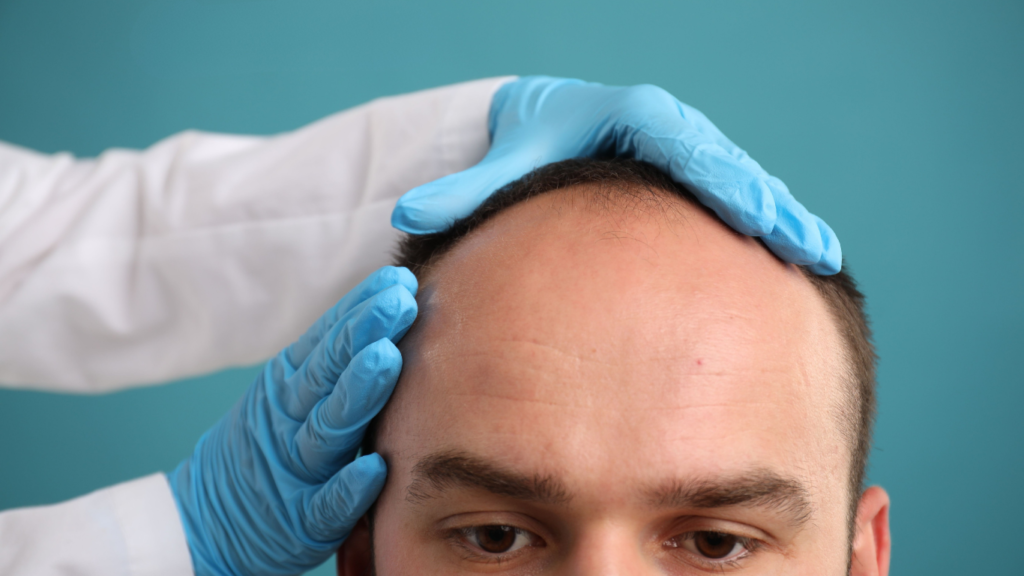
What are the common signs of normal shock loss?
Am I crazy to be worried about losing my hair too early?
Not at all.
In fact, most patients become concerned when they notice newly transplanted hairs shedding. However, this reaction is completely understandable and very common.
Patients experiencing shock loss typically notice:
- Hair shedding within the first 8 weeks
- A thinner appearance in the transplanted area
- Normal scalp healing
- Mild to moderate discomfort
- New growth beginning around months 3 to 4
Importantly, although the hair shafts fall out, the follicles remain healthy beneath the scalp.
Therefore, temporary shedding should not be mistaken for a failed hair transplant.
What does it look like when your body has recovered properly from surgery?
If your scalp heals normally and no complications occur, you will likely notice the following:
- Redness significantly reduced within the first few weeks
- Minimal irritation or inflammation
- Early signs of growth by month 3
- Increasing density over time
- Continued improvement up to 12 to 18 months after surgery
Understanding the normal recovery timeline can help reduce anxiety and improve confidence throughout the healing process.
What are the warning signs that I may experience graft failure?
How soon should I expect to evaluate results?
Hair restoration is a gradual process, and final results cannot be assessed immediately.
A typical timeline includes:
- Weeks 2 to 8: Shock loss and shedding
- Months 3 to 4: Initial hair growth
- Months 6 to 9: Increased density
- Months 12 to 18: Final results
For this reason, most specialists recommend waiting at least 12 months before making a final assessment.
If little or no growth is visible after this period, your surgeon may evaluate whether graft survival has been compromised.
What factors contribute to successful hair transplant outcomes?
Does the doctor I choose matter?
Absolutely.
The success of a hair transplant depends heavily on the expertise of the surgeon and the quality of the clinic performing the procedure.
A reputable hair restoration clinic focuses on:
- Advanced hair transplant techniques
- Precise graft harvesting
- Proper graft storage and preservation
- Accurate implantation methods
- Comprehensive aftercare support
As a result, patients who choose experienced professionals generally achieve more natural looking and long-lasting results.
What is my role in ensuring the success of my procedure?
Patients also play a crucial role in the success of their procedure.
To support optimal healing and graft survival:
- Follow all post-operative instructions carefully
- Avoid smoking during recovery
- Protect the scalp from excessive sun exposure
- Limit strenuous activity during the healing period
- Attend all scheduled follow up appointments
In addition, maintaining a healthy lifestyle can support stronger hair growth and improve overall recovery.
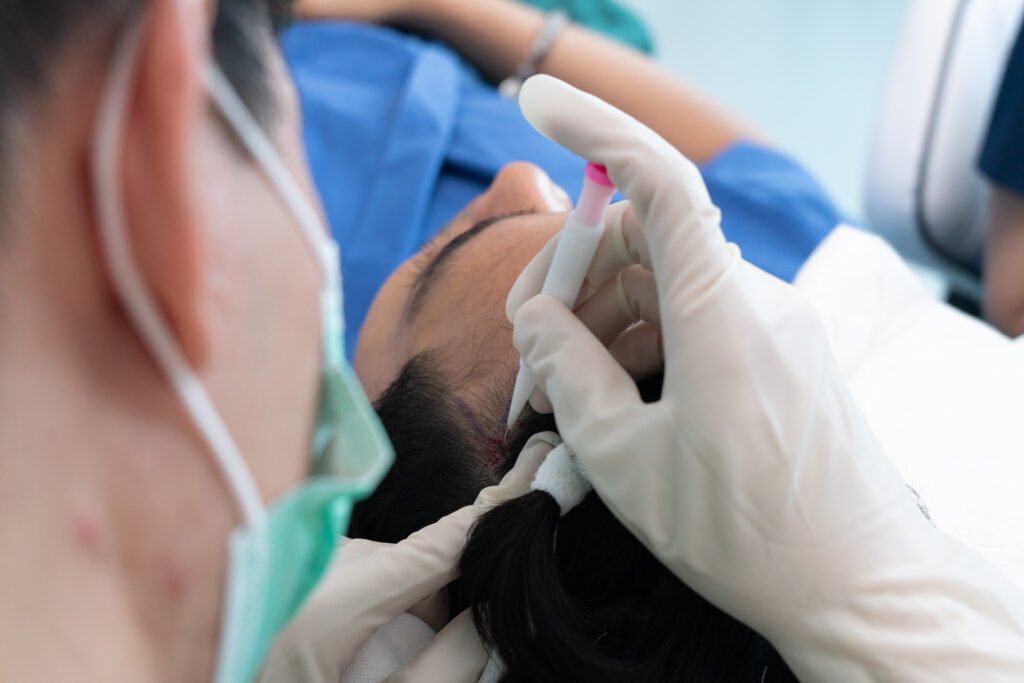
How can I minimize the chances of experiencing graft failure?
What can I do to help ensure that my hair transplant results are optimal?
Although no procedure is completely risk free, several steps can significantly reduce the risk of complications.
These include:
- Choosing an experienced hair transplant surgeon.
- Following all aftercare instructions precisely.
- Avoiding unnecessary contact with transplanted grafts.
- Refraining from smoking after surgery.
- Keeping the scalp clean and protected.
- Reporting any unusual symptoms to your surgeon immediately.
Selecting a reputable clinic with a proven track record and strong patient support system can also improve your chances of achieving the best possible outcome.
Why is post-surgical care so important to achieving good results?
Post-surgical care has a direct impact on graft survival.
Even if the procedure itself is performed perfectly, neglecting aftercare instructions can compromise healing and affect final results.
Successful hair restoration requires collaboration between the patient and the medical team. When both parties work together, the likelihood of achieving natural and lasting results increases significantly.
Why do we need to be patient?
Patience is essential because newly transplanted follicles require time to establish themselves and begin producing healthy hair.
Hair growth does not happen overnight. Instead, follicles gradually mature and produce thicker, stronger hair over time.
As a result, improvements in density, texture, and overall appearance continue long after the initial stages of growth.
By understanding this process, patients are far less likely to mistake normal shock loss for graft failure and can feel more confident throughout their recovery journey.
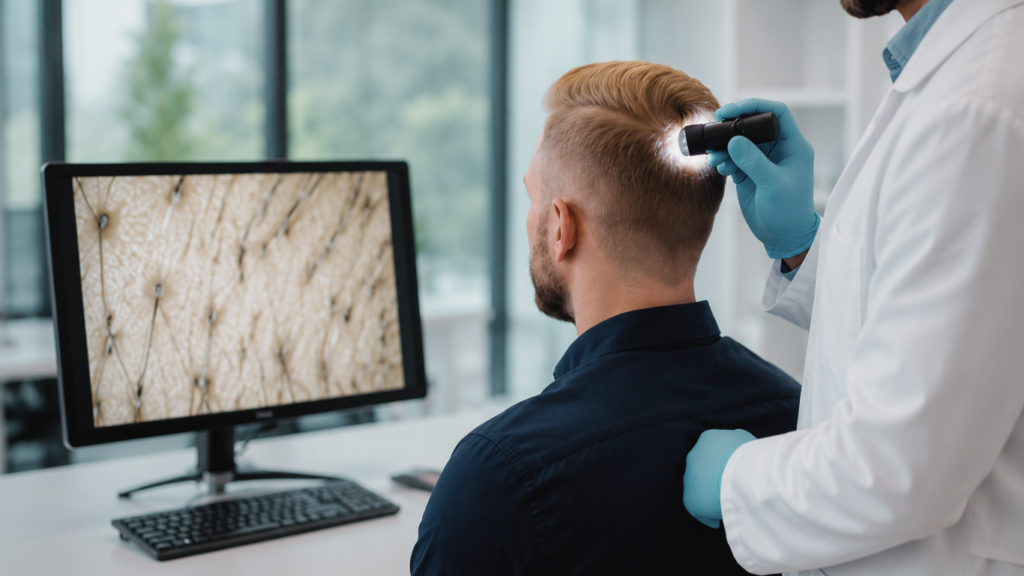
Conclusion
Understanding the difference between shock loss and graft failure is an important part of the hair transplant recovery process. While shock loss is a common and temporary stage of healing, graft failure is a more serious condition that may require medical evaluation.
Fortunately, most patients who experience shedding after a hair transplant are simply going through the normal recovery process. By choosing an experienced hair transplant surgeon, following post-operative instructions carefully, and maintaining realistic expectations, patients can maximize graft survival and enjoy natural looking, long-lasting results.
If you have concerns about your recovery or would like professional guidance regarding your hair restoration journey, contact Top Hair Loss Clinic today to schedule a personalized consultation with one of our experienced specialists.