

Following a hair transplantation procedure (FUE/DHI), the most common question asked by patients concerns when they will be able to resume physical activity. Since regular physical activity contributes to total body wellness, resuming physical activity too early could hinder the healing process, exacerbate swelling, and possibly jeopardize the integrity of the transplanted grafts.
Developing knowledge of when a patient can safely resume various forms of physical activity will greatly enhance the patient’s ability to successfully recover from a hair transplantation procedure as well as allow them to return to their normal fitness routine at the earliest opportunity without undue risk. In addition, developing a structure for recovering from a hair transplantation procedure allows patients to systematically return to their pre-transplantation fitness level while reducing the possibility of injury to newly transplanted follicles.
Why restrictive measures are necessary after a hair transplantation procedure
Many patients inquire as to why restrictive measures must be implemented after undergoing a hair transplantation procedure. The reason for this is relatively straightforward; recently transplanted grafts must develop a strong bond between the transplanted graft and the surrounding skin of the scalp prior to being subjected to external forces such as exercise.
Effects of exercise on hair transplant recovery
Exercise can affect multiple components of the healing process.
Possible effects of exercise on the healing process include:
- Increased blood pressure
- Greater swelling
- Increased sweating
- Greater scalp sensitivity
- Increased likelihood of irritation
In addition to increased inflammation caused by excess strain and motion during the initial phases of recovery, patients who engage in vigorous activities may also incur other negative consequences related to their hair transplantation recovery.
Why do recently implanted grafts remain at risk?
During the first few day’s post-surgery, transplanted grafts remain fragile and susceptible to outside influences due to their delicate state.
The recovery process involves:
- Stabilization of grafts
- Repair of damaged tissue
- Development of new blood flow
- Healing of donor areas and recipient areas
As such, it is crucially important that patients maintain a protective environment for their scalp during this critical phase.
Seven-week post-hair transplantation exercise program
Understandably, having a comprehensive knowledge base concerning hair transplantation recovery timing will enable patients to progressively and safely return to their exercise regimen while ensuring that they are taking steps to protect their hair restoration efforts.
Week 1: Total rest and recovery
Can I work out during my first week after hair transplantation?
Typically, no. For the first seven days post-hair transplantation, the focus should be exclusively placed upon allowing the newly transplanted grafts to heal and develop a stable bond between the grafts and the surrounding scalp tissues.
Allowed exercise activities during your first week
- Walking inside at a slow pace
- Daily tasks and activities performed at a slow pace
- Moving around at home
Activities not allowed during week one
- Running
- Weightlifting
- Cycling
- Swimming
- Team sports
- Working out in a gym
Why is excessive sweating not recommended during week one?
While excessive sweating does not harm your newly transplanted grafts per se, it can cause irritation of the scalp and lead to discomfort. Furthermore, excessive sweating may lead to:
- Increased infection rates
- Impaired healing
- Premature loss of scabs
- Increased inflammation
Therefore, complete rest is still recommended during the first week.
Week 2: Mild forms of exercise
Will I be able to start working out again after one week?
Sometimes yes. However, the type of activity allowed during this time should be mild.
Allowed exercise activities during your second week
- Walking outdoors
- Light stretching
- Light mobility exercises
Activities still not allowed
- Weight training
- Running
- High-intensity workouts
- Contact sports
How will I know when I am ready to resume an exercise routine?
You will know you are ready based on your own assessment of your recovery.
Red flags include:
- Prolonged redness
- Significant swelling
- Non-improving scabbing
- Continued scalp sensitivity
If any of these warning signs persist, additional recovery time may be required before resuming an exercise program.
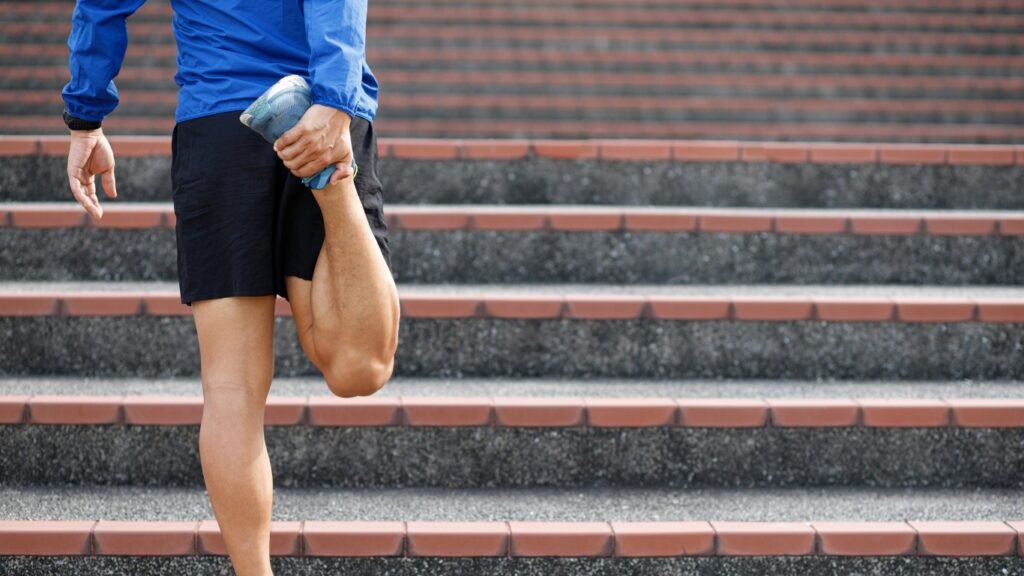
After 3 weeks: Full return to physical activity
When can patients return to unrestricted exercise?
Many patients ask when they can finally return to all forms of physical activity without restrictions.
For most individuals, unrestricted exercise is possible approximately three weeks after a hair transplant procedure. By this stage, both the donor and recipient areas have completed the majority of their healing process, and transplanted follicles are securely established within the scalp.
Activities that are generally permitted after three weeks include:
- Contact sports
- Competitive athletics
- Marathon training
- Advanced strength training
- High-intensity interval training
- Outdoor endurance sports
However, swimming with full head immersion in a pool or the sea should be avoided for approximately 30 days, and wearing a helmet should also be postponed for 30 days, according to your surgeon’s post-operative instructions.
Can sweating damage hair transplant results?
Is sweat harmful to newly transplanted grafts?
Sweat itself is not harmful to transplanted follicles. However, excessive perspiration during the early stages of recovery may contribute to several issues that can affect comfort and healing.
Potential concerns associated with excessive sweating include:
- Increased scalp irritation
- Itching and discomfort
- Greater bacterial accumulation
- Delayed healing in sensitive areas
For this reason, limiting activities that produce excessive sweating remains important during the first several weeks following surgery.
How can patients control sweating during recovery?
Patients can take several practical steps to reduce sweating while their scalp heals.
Recommended strategies include:
- Exercising only when approved by the surgeon
- Staying in cool, well-ventilated environments
- Avoiding direct sunlight during hot weather
- Following scalp washing instructions carefully
- Using clean towels when necessary
- Maintaining excellent scalp hygiene
These measures help support healing while reducing the likelihood of irritation.
Which exercises should be avoided after a hair transplant?
High-Risk activities during recovery
The following activities should generally be postponed until approved by your surgeon:
- Heavy weightlifting
- CrossFit training
- Football
- Basketball
- Martial arts
- Wrestling
- Rugby
- Boxing
- Swimming pools
- Diving activities
Why are contact sports especially dangerous?
Contact sports increase the likelihood of direct trauma to the scalp.
Potential complications include:
- Graft displacement
- Bleeding
- Delayed healing
- Injury to donor areas
- Increased inflammation
Even minor impacts may negatively affect healing during the early stages of recovery. Consequently, patients should avoid unnecessary risks until the scalp has fully recovered.
Additional recovery tips for active patients
How can patients promote faster healing?
Several simple habits can help optimize recovery.
Patients should:
- Follow all post-operative instructions carefully
- Avoid smoking and nicotine products
- Remain well hydrated
- Consume a high-protein diet
- Get adequate sleep each night
- Avoid excessive alcohol consumption
- Manage stress levels effectively
Additionally, maintaining healthy circulation and proper nutrition supports follicle recovery and overall scalp health.
Why does nutrition play an important role?
Hair follicles require nutrients to support healing and future growth.
Important nutrients include:
- Protein
- Iron
- Zinc
- Vitamin D
- B vitamins
- Omega-3 fatty acids
A balanced diet provides the building blocks necessary for tissue repair and long-term hair growth.

When should patients contact their clinic?
Warning signs that require medical attention
Patients should contact their clinic immediately if they experience:
- Excessive swelling
- Persistent bleeding
- Severe pain
- Signs of infection
- Unusual discharge
- Significant scalp irritation
- Fever or worsening symptoms
Prompt medical evaluation helps prevent complications and supports optimal recovery.
Is it better to wait or contact your clinic?
Patients should never hesitate to contact their clinic if they have concerns about recovery.
Early communication often prevents minor issues from developing into larger problems while providing reassurance and professional guidance.

Conclusion
A successful hair transplant requires time, effort and a commitment to follow the recommended recovery process as well as a dedication to the ongoing health of your transplanted hair. Many patients who undergo hair transplantation are eager to return to their pre-surgical exercise routine in order to maintain their level of fitness. This desire to resume physical activity is understandable; however, it is very important to protect your newly transplanted hair grafts during the initial healing period and to return to exercise gradually according to your surgeon’s post-operative instructions. For most patients, light aerobic exercise can usually be resumed after 7–10 days, while weight training and more strenuous physical activity are generally permitted after approximately three weeks, provided healing is progressing normally.
A structured week-by-week recovery plan allows the patient to avoid any high-risk activities until they have completed the initial phase of the healing process. In addition, this recovery plan will allow the patient to gradually increase their level of physical activity over time. When followed carefully, these guidelines will allow you to return to your normal way of life while maintaining the best possible result from your hair transplant procedure.
As modern day FUE and DHI hair transplantation techniques become increasingly popular as an effective method for providing a natural look and feel to patients suffering from baldness, the ability to achieve long-term results continues to be based on both the surgeon’s technical skills and the individual’s post-operative care and compliance.
By allowing yourself the necessary amount of time for a complete recovery and then gradually returning to your regular routine through a combination of patience, proper aftercare and physical therapy, you should be able to enjoy the full benefits of your new hair restoration treatment along with your other favorite hobbies such as sports and travel.
To learn more about hair transplant recovery, exercise guidelines, and advanced hair restoration treatments, visit Top Hair Loss Clinic and schedule a consultation with one of our experienced hair restoration specialists.