

Hair transplantation is an effective method for restoring hair loss and providing confidence again. There is however much more involved than just the surgical aspect of hair restoration. A frequent question patients ask is “Do you need to take finasteride after a hair transplant?” The response to this is sometimes difficult.
Transplanted grafts in general are relatively resistant to the effects of androgenetic alopecia. Native hair however, which surrounds the transplanted hair, may continue to thin over time. Consequently, finasteride and other similar products are usually prescribed in conjunction with hair transplantation, so that native hair may be preserved as much as possible and long-term results may be maximized.
So, is it truly necessary to take finasteride after a hair transplant? Who will get the greatest benefit from using finasteride? If you choose not to use finasteride what will happen to your results?
Below, we have provided information from our specialists here at Top Hair Loss Clinic explaining everything you want to know about using finasteride after a hair transplant.
What is finasteride and how does it work?
What is finasteride?
Finasteride is an FDA-approved oral prescription drug used to prevent further hair loss in men. It works as a member of the class of drugs called 5-alpha reductase inhibitors.
What is its main purpose?
Finasteride’s primary job is to decrease the amount of dihydrotestosterone, commonly abbreviated as DHT, found in the human body.
What is DHT and why is it important in causing hair loss?
Dihydrotestosterone (DHT) is primarily responsible for male pattern baldness. This hormone is created through an enzymatic conversion of testosterone in the presence of the enzyme 5-alpha reductase.
Once formed, DHT attaches to androgen receptors in certain cells. This attachment of DHT leads to hair follicle miniaturization. As time progresses, the miniaturized hair follicles produce smaller and weaker hairs until ultimately the follicles stop producing any type of hair.
Lowering levels of DHT via finasteride may slow down the progression of hair loss, protect native hair follicles, increase total hair density and promote long-term maintenance of hair growth. Additionally, lowering DHT may enhance the look of a hair transplant.
Do all patients require finasteride after a hair transplant?
Is finasteride required for each patient?
No. Although finasteride provides significant benefits, not all patients will require it after a hair transplant.
Whether or not a patient takes finasteride is determined by a variety of elements including:
- Age
- Degree of hair loss
- Family history of baldness
- Stable condition of existing hair
- Likelihood of future hair loss
- Preferential use of medicine
There are two types of patients. Those whose doctor recommends finasteride as part of their treatment plan, and those who choose not to take finasteride due to a desire to pursue alternate methods of treatment.
Why might your doctor recommend finasteride?
A hair transplant replaces missing hair. However, it doesn’t inhibit the hereditary component leading to continued thinning.
Many doctors recommend finasteride since it may:
- Help maintain existing surrounding native hair
- Decrease future thinning
- Maintain natural-looking hair
- Promote long-term density
- Minimize the number of future procedures
Overall, finasteride enables patients to save money spent on hair restoration by preventing or slowing down the decline of their remaining native hairs.
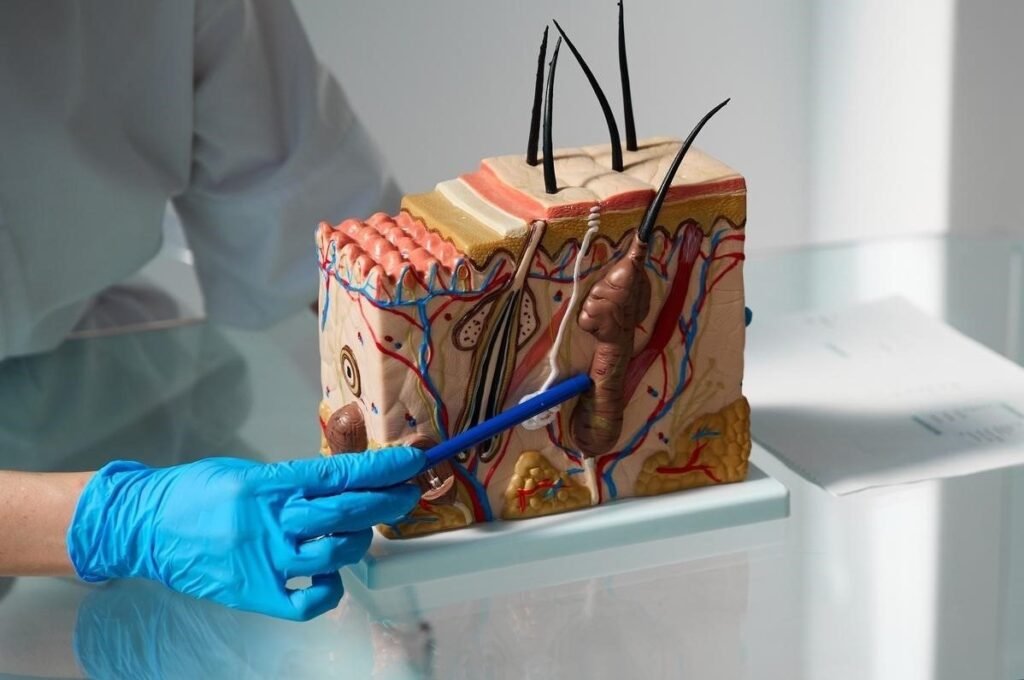
What happens if you don’t take finasteride?
Will my transplanted hair fall out?
Fortunately, transplanted follicular units remain immune to DHT.
Thus:
- Transplanted hairs are generally permanent
- Growth rates of transplants remain normal
- The success rate of the surgery remains unaffected
Hence, simply ceasing to take finasteride does not necessarily imply that your hair transplant failed.
Can my native hair still be thin?
Yes.
Native hairs located near transplanted hairs and affected by DHT can and will continue to miniaturize over time.
Progression may lead to:
- Unbalanced density
- Irregular patches
- Continued receding
- Loss of balance in appearance
- Necessity of subsequent corrective measures
Thus, preservation of native hair is also important along with protection of transplanted grafts.
Who benefits most from taking finasteride after hair transplant surgery?
Who would be ideal candidates for using finasteride?
Generally speaking, individuals who could receive maximum benefit from using finasteride include:
- Younger males continuing to lose hair
- Individuals who have a high risk for developing androgenetic alopecia
- Individuals displaying evident evidence of continuous thinning
- Individuals desiring optimal long-term results
- Individuals desiring to minimize future surgical intervention
These individuals typically have more successful results from preserving their remaining native hairs.
Who may not be suitable candidates?
Are there any patients that should avoid using finasteride?
Finasteride may not be beneficial for everyone.
This includes:
- Patients having medical reasons that prohibit its usage
- Individuals unwilling to utilize long-term medication
- Individuals experiencing adverse reactions
- Individuals exhibiting extremely low amounts of thinning activity
In summary, treatment decisions should always be made individually by consulting with a licensed physician.
Potential side effects of finasteride
Has finasteride been proven to be safe?
Yes. Finasteride has been thoroughly tested and is generally regarded as safe when taken as directed by a medical doctor.
In fact, the vast majority of patients report good tolerance of the medication.
Every medication however comes with the possibility of risks.
Which side effects should patients be aware of?
Although rare, patients may possibly encounter the following potential adverse reactions:
- Diminished libido
- Impotence or erectile dysfunction
- Changes in sexual climax
- Breast tenderness
- Altered mood states
It is crucial that patients consult with their physician prior to initiating treatment concerning any potential worries.
Engaging in open communication allows patients to make informed choices relating to their own care.
Alternatives to finasteride
Are there alternatives to oral medication?
Some patients prefer utilizing alternative forms of treatment.
Potential possibilities include:
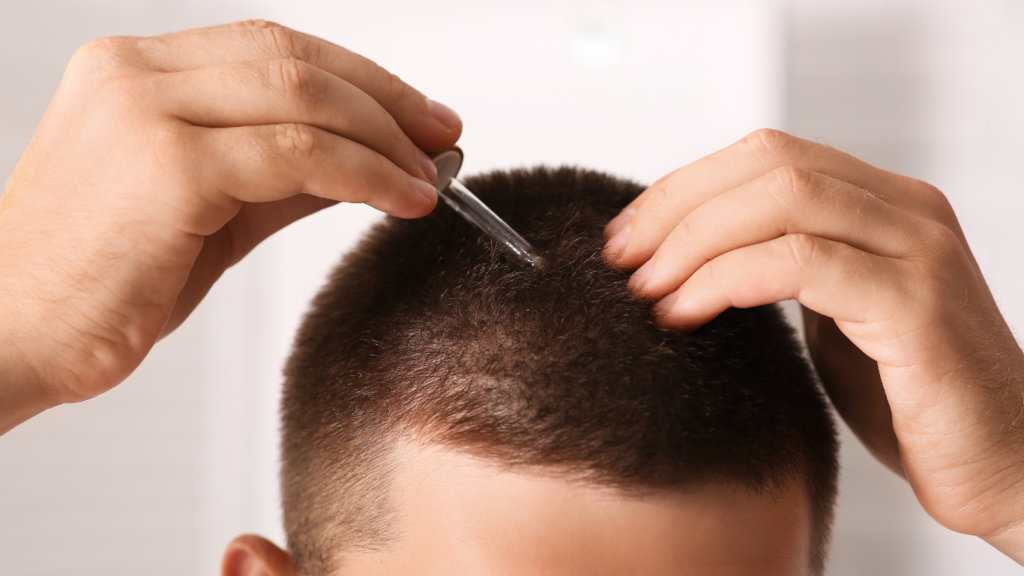
- Topical finasteride
- Minoxidil
- Platelet-rich plasma therapy
- Low-level laser therapy
- Supportive nutrition
- Ongoing observation without medication
Depending upon the goal and/or situation of the individual, each choice presents advantages.
Can combination treatments provide better results?
Yes, often.
Combining various therapies can potentially provide optimal results.
Examples include:
- Finasteride combined with minoxidil
- Medical treatment paired with platelet-rich plasma therapy
- Oral and topical combinations while being supervised by a physician
Due to variability among all patients, creating individualized treatment programs generally produces greater benefits.
In many cases, combining therapies allows physicians to address hair loss from multiple angles while helping patients preserve native hair for longer periods.
Timing and initiation of finasteride use following hair transplant surgery
At what time period should I begin taking finasteride after my hair restoration procedure?
Timing is dependent on many factors and may vary from person to person.
Some patients may elect to begin taking finasteride prior to surgery. Other patients begin taking finasteride immediately after surgery.
Factors influencing timing are:
- Patterns exhibited by existing hair loss
- Planning for surgery
- Recommendations given by your doctor
- Treatment objectives desired by the individual
Because every patient’s situation is different, there is no universal timeline that applies to everyone.
Some patients choose to start finasteride before surgery in an effort to stabilize ongoing hair loss and preserve native hair prior to transplantation. Others begin shortly after surgery to maintain surrounding non-transplanted hairs and promote long-term density.
Ultimately, patients should always follow the recommendations of their treating physician regarding when to initiate treatment.
Frequently asked questions about finasteride after hair transplant surgery
What happens if I stop taking finasteride?
This is one of the most common concerns among patients considering long-term treatment.
If finasteride is discontinued, the protective effects it provides to native hair generally diminish over time. Consequently, the underlying process of androgenetic alopecia may gradually resume.
Patients may eventually notice:
- Progressive thinning of native hair
- Continued recession of the hairline
- Reduced overall density
- The return of their natural hair loss pattern
Importantly, stopping finasteride does not usually affect transplanted grafts. Rather, it primarily impacts the non-transplanted hairs that remain susceptible to DHT.
Can women take finasteride?
Under selected circumstances and with specialist supervision, finasteride may be prescribed to women.
However, it is not considered appropriate for every patient and requires careful medical evaluation.
Factors that may influence this decision include:
- Age
- Menopausal status
- Medical history
- Current medications
- Individual treatment goals
Women should never begin finasteride therapy without first consulting a qualified healthcare professional.
Will finasteride guarantee permanent results?
No.
Although finasteride is one of the most effective medications available for slowing the progression of male pattern hair loss, it cannot completely eliminate the natural progression of androgenetic alopecia.
Nevertheless, it may significantly improve the longevity of hair transplant results by preserving native hair and reducing future thinning.
Patients who maintain realistic expectations and adhere to individualized treatment plans often report the highest levels of long-term satisfaction.

Conclusion
Do you really need finasteride after getting a hair transplant?
The answer depends on the individual patient.
A hair transplant successfully restores hair to areas affected by thinning and baldness. However, it does not stop the underlying genetic process responsible for ongoing hair loss. For many individuals, finasteride serves as a valuable tool for preserving native hair, maintaining density, and protecting the investment made in hair restoration surgery.
At the same time, finasteride is not necessary for every patient. Age, degree of hair loss, family history, medical history, treatment goals, and personal preferences should all be considered before deciding.
The most effective hair restoration strategies are personalized rather than one-size-fits-all. Therefore, an open discussion with an experienced hair transplant specialist remains the best way to determine whether finasteride is appropriate for your situation.
If you are considering a hair transplant or would like to learn whether finasteride could help maximize your long-term results, schedule a consultation with the team at Top Hair Loss Clinic. Our experienced specialists will assess your individual needs and develop a customized treatment plan designed to help you achieve natural-looking, long-lasting hair restoration results.
Remember, successful hair restoration is not simply about restoring lost hair. It is about preserving what you already have, making informed decisions, and creating a long-term strategy that supports healthy, natural-looking results for years to come.