

The hair loss treatment landscape continues to grow and evolve. Researchers have been searching for hair loss treatments which will provide greater success rates than treatments like finasteride and minoxidil, which have remained the foundation of hair loss management for decades. One of the newest additions to the conversation in the hair restoration industry is PP405. PP405 is creating a great deal of excitement among both physicians and patients alike.
So, what is PP405? Will it be a new breakthrough treatment for androgenetic alopecia? How does it compare to current therapies? Most importantly, when can patients expect to see this new treatment option become available?
In this article, the professionals at the Top Hair Loss Clinic address all of your questions concerning PP405. We discuss everything you want to know about PP405 from how it works; what the ongoing research indicates; who may benefit from using PP405; and if it will be able to revolutionize the future of hair loss treatment.
What is PP405?
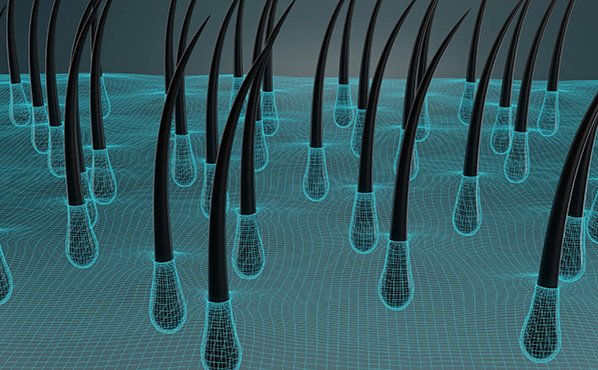
PP405 is a potential new hair loss medication that is currently in clinical trials to assess its efficacy as a treatment for androgenetic alopecia (male/female pattern baldness) and other forms of hair loss. Unlike previous generations of hair loss treatments, which were generally aimed at slowing down hair loss progression or promoting increased circulation to the scalp, PP405 was specifically developed to stimulate dormant hair follicle stem cells.
Researchers believe that, by stimulating dormant follicle stem cells, PP405 may be able to activate previously dormant hair follicles that had ceased to produce hair.
Why has PP405 generated such interest?
There are several aspects of PP405 that are attracting a lot of interest from both the medical/scientific communities and patients. These elements include:
- Its novel mechanism of action
- Its ability to potentially reactivate dormant hair follicles
- Its possible use in conjunction with established treatments such as finasteride and/or minoxidil
- Positive early study results
- Increasing public demand for innovative solutions to hair loss
Due to these factors, many medical professionals view PP405 as one of the most promising investigational treatments that are currently under development.
How does PP405 work?
What sets PP405 apart from current FDA approved hair loss treatments?
FDA approved hair loss treatments function through various mechanisms. Examples include:
- Finasteride, which lowers DHT levels
- Minoxidil, which extends the growth phase and increases blood flow to the follicle
PP405, on the other hand, seems to affect cellular metabolism in hair follicle stem cells. It appears that the medication causes a temporary alteration in how these stem cells metabolically process energy. As a consequence, these follicles may switch from being dormant to actively producing hair again.
Why is it so vital to activate hair follicle stem cells?
Hair follicle stem cells govern the normal cycle of hair growth. When these stem cells go into dormancy, hair-producing follicles cease to produce terminal hairs over time.
If PP405 successfully activates dormant follicles, it could:
- Produce new hair
- Increase the number of hairs per square centimeter
- Reactivate miniaturized follicles
- Be used in conjunction with current therapies
- Generate improved long-term treatment outcomes
Therefore, there is great optimism regarding the implications of its mechanism in terms of regenerative medicine.
What do the current studies indicate?
Do clinical trials demonstrate promising results?
Preliminary study results do demonstrate some exciting preliminary results. Initial reports indicate that PP405 exhibited positive results relating to the activation of hair follicle stem cells under controlled conditions. Although these initial findings seem hopeful, further research is needed prior to reaching conclusive determinations regarding its overall efficacy.
What questions are researchers currently attempting to answer?
Research currently underway aims to determine:
- Is PP405 safe?
- How effective is PP405 in stimulating new hair growth?
- Who responds best to PP405?
- What dosages lead to optimal results?
- How sustainable are the results?
While researchers will likely provide answers to each of these questions via well-structured clinical trials, until they do so, scientists suggest that practitioners exercise cautious optimism.
Could PP405 potentially replace finasteride and minoxidil?
Is PP405 more effective than established treatments?
At this point in time, we don’t really know.
Finasteride and minoxidil have existed for decades with substantial amounts of scientific literature documenting their safety and efficacy.
PP405, on the other hand, is an investigational treatment.
Nonetheless, due to its unique biological target, researchers feel encouraged.
May combination therapy represent the future?
Maybe.
Many hair restoration surgeons believe that the future of treating male/female pattern baldness will include combinations of therapies designed to act synergistically through multiple mechanisms. Therefore, patients may ultimately receive individualized treatment programs created to achieve maximum results based on their specific needs.
Potential future combinations may include:
- PP405 with finasteride
- PP405 with minoxidil
- PP405 with platelet-rich plasma therapy
- PP405 alongside low-level laser therapy
- PP405 following hair transplantation
Could PP405 help patients after hair transplantation?
Could PP405 help patients after hair transplantation?
Possibly.
If PP405 can stimulate dormant hair follicles, it would logically follow that it could also enhance native hair retention following a transplant procedure.
As a result, patients undergoing hair restoration surgery may soon have a means to improve long term maintenance of their transplanted grafts.
Additional research is required before specialists can recommend use following transplant procedures.
The specialists at the Top Hair Loss Clinic emphasize that evidence-based decision making should always guide post-transplant treatment recommendations, particularly when investigational therapies are involved.
Will PP405 be widely available soon?
Can patients access PP405 today?
No.
Currently, PP405 remains an investigational treatment being evaluated clinically.
Additionally, it has not received regulatory clearance for use in a broad clinical setting.
Therefore, patients should remain vigilant regarding advertisements or claims suggesting that the treatment is currently commercially available.
When patients expect widespread availability?
Unfortunately, no concrete timeline exists for availability at this time.
Availability will largely depend upon the following factors:
- Results from clinical trials
- Evaluation of long-term safety and tolerability
- Review processes conducted by regulatory bodies
- Health authority approvals
As a result, patient accessibility may take several years longer than anticipated.
What are the possible advantages of using PP405?
Why have hair restoration surgeons been so optimistic about PP405?
PP405 represents several theoretical advantages that have caused numerous practitioners throughout the country to develop optimism regarding its potential as a new treatment option for their patients.
Some potential advantages include:
- New therapeutic mechanism
- Directly targeting follicle stem cells
- Reactivating dormant hair follicles
- Combining with existing treatments
- Increased treatment options for patients
If subsequent research confirms the possibility of each of these advantages becoming realities, then PP405 will be considered one of the most significant advancements in modern hair restoration history.

Limitations and concerns regarding use of PP405
Should patients manage their expectations regarding early reports on PP405?
Yes.
While it’s easy to understand the excitement associated with developing news related to PP405, the fact is that investigational treatments often undergo changes as additional information becomes available.
Therefore, patients should enter discussions with medical professionals regarding early reports on PP405 with balanced expectations.
Current limitations include:
- Little long-term human data
- Unknown side effect profile
- Lack of confirmatory evidence
- Continued ongoing evaluation through clinical studies
- Regulatory approval requirements
Practitioners must strike a balance between expressing enthusiasm for developing treatments and maintaining scientific objectivity in order to make informed decisions regarding new therapies.
Can PP405 revolutionize the way we approach hair loss?
Could this treatment change our entire perspective on treating male/female pattern baldness?
Yes.
For nearly four decades, many treatments have focused on preventing further hair loss rather than attempting to regenerate lost hair.
If PP405 succeeds in reactivating dormant follicles, it could change how physicians treat male/female pattern baldness forever.
Ultimately, future treatment models may shift from simply preserving remaining hair to incorporating regeneration of lost hair as part of treatment protocols.
Consequently, millions of men and women suffering from male/female pattern baldness may potentially have access to more sophisticated therapeutic options than ever before.
Organizations continue to monitor advances in regenerative therapies and their implications for the future of hair restoration medicine.

Conclusion
PP405 has rapidly become one of the most widely discussed investigational treatments in the hair loss arena recently. Its unique ability to stimulate dormant hair follicle stem cells through a completely different mechanism presents an exciting look into the future of hair restoration medicine.
Nevertheless, despite the excitement generated by early indications, PP405 remains under investigation. Additional clinical trials are needed to evaluate its long-term safety profile, determine its efficacy, identify appropriate candidate types and define its place alongside established therapies such as finasteride and/or minoxidil.
For now, patients should continue relying upon evidence-based treatments while consulting experienced hair restoration specialists regarding emerging therapies.
If you would like to learn more about the latest advances in hair loss treatment or discuss a personalized treatment strategy tailored to your needs, contact the team at the Top Hair Loss Clinic. Our specialists remain committed to delivering scientifically grounded, patient focused care while staying at the forefront of innovation in hair restoration medicine.
Until further evidence becomes available, PP405 should be viewed with both optimism and realism. It may eventually redefine the management of androgenetic alopecia. However, its true role in clinical practice will only become clear through robust scientific investigation, peer reviewed evidence and regulatory approval.