

A very frequent question patients have right after undergoing an FUE (follicular unit extraction) or DHI (direct hair implantation) hair transplantation procedure is “how should I wash my hair?” Many people fear damaging newly placed grafts while washing their scalp during the initial recovery period. It is vital to wash your hair correctly after a hair transplant because it protects your grafts, prevents infections, and promotes healthy new hair growth.
Following the right timing and washing method, selecting the correct type of shampoo, and understanding what to avoid during the first weeks of recovery all contribute to reducing stress and making the healing process easier. Additionally, adhering to proper post-transplant guidelines leads to faster recovery and better final results.
This article explains how to wash your hair after a hair transplant, including how long you should wait before washing your hair after surgery, proper washing methods, scalp care techniques, and common mistakes patients should avoid during recovery.
Why is proper washing important after a hair transplant?
You might wonder why washing your hair correctly after surgery is such an important issue. Simply put, newly transplanted grafts are extremely fragile during the first several days after a hair transplant.
Correct washing techniques help support:
- Cleanliness of the scalp
- Reduction of infection risk
- Removal of excess oils and debris
- Reduced scabbing and buildup of crusts
- Enhanced healing of grafts
- Better overall recovery outcomes
Additionally, maintaining good scalp hygiene allows transplanted follicles to establish themselves properly during the most critical stage of healing.
What happens if patients avoid washing their hair completely?
Some patients become fearful of disturbing their scalp and therefore avoid washing their hair entirely. However, poor hygiene may increase irritation and delay recovery.
Poorly cleaned areas may develop:
- Thicker scabbing
- Increased oil buildup
- Higher infection risks
- Slower healing times
Therefore, gentle washing remains essential for successful recovery after a hair transplant.
How soon can you wash your hair after a hair transplant?
Another major concern for many patients is how soon they can begin washing their hair after surgery.
Typically, most hair transplant surgeons recommend waiting approximately 48–72 hours before gently washing the scalp. However, several additional factors influence the exact timing, including:
- Number of grafts implanted
- Level of scalp sensitivity
- Type of hair transplant procedure performed
- Individual healing speed
- Recommendations provided by the surgeon
For this reason, patients should always follow their own personalized post-operative instructions carefully.
Why shouldn’t patients wash their hair immediately?
Newly implanted grafts require time to attach firmly to the scalp. Washing too quickly or too aggressively may dislodge grafts and reduce their survival rate.
Consequently, the first few days after surgery are especially important for protecting transplanted follicles and ensuring long term success.
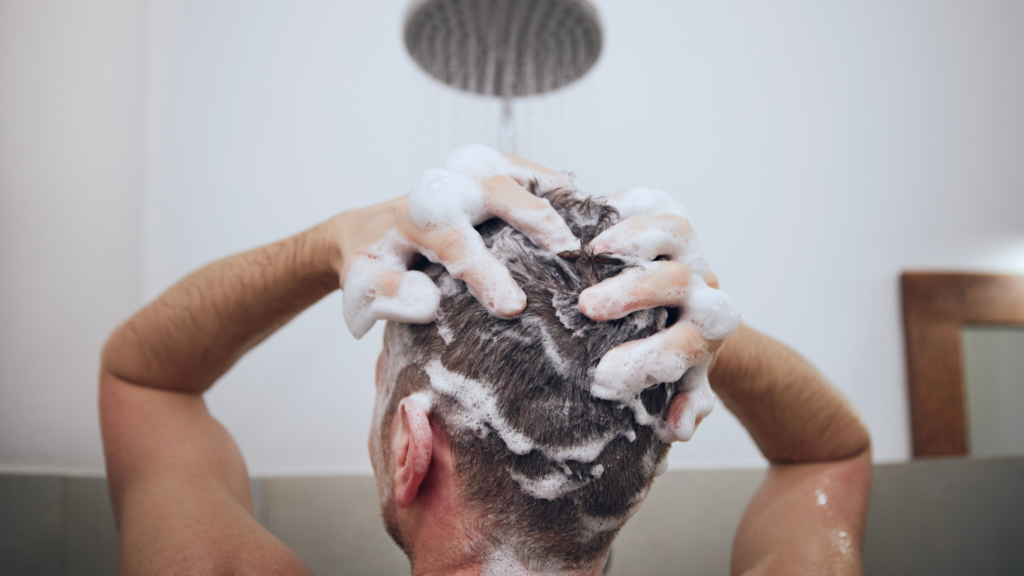
How to wash your hair after a hair transplant
Although washing your hair may seem harmless, many patients worry about accidentally damaging their grafts. Fortunately, washing correctly after a hair transplant is relatively easy when performed gently and carefully.
Step by step instructions for washing your hair:
Most specialists recommend the following process:
- Apply a hydrating foam or lotion prescribed by your surgeon
- Leave the product on the scalp for the amount of time instructed
- Rinse carefully using lukewarm water
- Apply a mild neutral pH shampoo slowly and gently
- Pat the scalp carefully without rubbing or scrubbing
- Allow the area to air dry naturally
Additionally, patients should avoid directing strong streams of water toward the recipient area during the early recovery period.
Should patients rub their scalp?
No. During the first month following surgery, patients should avoid rubbing the scalp completely.
Instead:
- Tap gently with fingertips
- Apply shampoo carefully
- Avoid touching the scalp with fingernails
- Handle the scalp with extreme care
Gentle handling significantly improves graft survival and reduces irritation.
What type of shampoo should patients use after a hair transplant?
Choosing the right shampoo after a hair transplant plays an important role in supporting scalp healing and optimizing overall recovery.
Most clinics recommend:
- Sulfate free shampoos
- Mild baby shampoos
- Neutral pH shampoos
- Gentle moisturizing products
These products help minimize irritation while maintaining proper moisture levels within the scalp.
Which ingredients should patients avoid?
Patients should avoid products containing:
- Harsh sulfates
- Alcohol based ingredients
- Strong perfumes
- Chemicals that may irritate the skin
- Exfoliating ingredients
Using aggressive products too early may irritate the scalp and delay healing.
Can patients use regular shampoo?
Although some high-quality shampoos become acceptable later during recovery, patients should prioritize gentle scalp care during the first month after surgery.
What is the best water temperature after a hair transplant?
Water temperature also plays an important role during recovery.
Patients should always wash their hair using lukewarm water.
Why Is Hot Water Harmful?
Hot water may cause:
- Increased scalp irritation
- Greater inflammation
- Additional discomfort
- Delayed healing
Meanwhile, excessively cold water may increase scalp sensitivity.
Therefore, lukewarm water remains the safest option during the majority of early recovery.
Will scabs develop after a hair transplant procedure?
Many patients become concerned when they notice small scabs forming around transplanted grafts. Fortunately, scab formation is completely natural after an FUE or DHI hair transplant procedure.
Why do scabs form?
As part of the natural healing process, small protective crusts form around graft sites to shield them from irritation and infection.
These scabs help:
- Protect healing tissue
- Prevent infection
- Stabilize newly implanted grafts
In most cases, scabs fall off naturally within 7–14 days.
Should patients remove scabs themselves?
No. Patients should never attempt to manually remove scabs.
Instead:
- Continue washing the scalp gently once daily
- Allow scabs to soften naturally
- Follow surgeon instructions carefully
- Avoid scratching the scalp excessively
Patience remains extremely important during this stage of recovery.
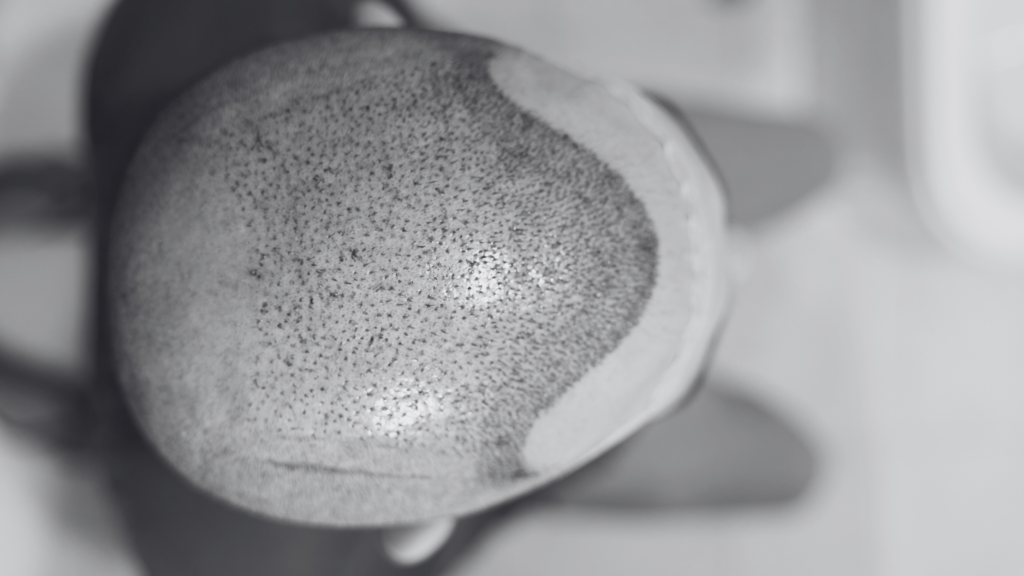
Common mistakes patients make while washing their hair
Can improper washing affect hair transplant results? Absolutely. Incorrect aftercare techniques may damage grafts and interfere with healing.
Mistakes Patients Must Avoid:
Patients should avoid:
- Rubbing the scalp aggressively
- Using excessive water pressure
- Touching the scalp with fingernails
- Using harsh cleansers or chemicals
- Scratching irritated areas
- Using hair dryers too early
Additionally, patients should avoid tight hats or anything that creates unnecessary friction on the scalp during recovery.
Can towels damage grafts?
Yes. Friction caused by rough towels may irritate sensitive grafts during the early healing phase.
To minimize irritation:
- Use only soft clean towels
- Pat dry the scalp gently
- Avoid rubbing motions completely
Careful towel use helps protect newly transplanted follicles.
Additional hair transplant recovery tips
Hair washing represents only one part of proper post-operative care. Patients should also follow additional recovery recommendations to improve healing and long-term hair growth.
Important aftercare guidelines:
Patients should:
- Avoid smoking and nicotine
- Avoid alcohol during early recovery
- Sleep with head elevation
- Avoid heavy exercise
- Protect the scalp from direct sunlight
- Drink plenty of water
- Follow a healthy high protein diet
Additionally, maintaining proper hydration supports blood circulation and scalp recovery.
When can patients return to normal hair care?
Most patients can gradually return to normal hair care routines approximately one month after surgery.
However, they should continue avoiding:
- Hair dye
- Chemical treatments
- Hair sprays or gels
- Excessive heat styling
until the scalp fully heals.
When should patients contact their Clinic?
Although recovery after modern FUE and DHI procedures is usually smooth, patients should still monitor the scalp carefully.
Warning signs that require medical attention:
Patients should contact their clinic immediately if they experience:
- Severe swelling
- Excessive bleeding
- Persistent pain
- Signs of infection
- Unusual discharge
- Severe scalp irritation
Early medical treatment helps prevent more serious complications.
Conclusion
Washing your hair after a hair transplant is an essential part of the recovery process. Correct washing technique helps protect newly transplanted grafts, minimize the chance of infection, and promote healthy long-term hair growth.
Although the initial shampooing process may feel stressful, following all recommended professional after-care instructions correctly will significantly improve healing and ultimately lead to optimal hair transplant results.
Both modern FUE and DHI hair transplantation methods provide highly effective solutions for treating hair loss while producing natural looking results. However, in addition to the success of the procedure itself, your overall recovery and ability to achieve maximum hair restoration results depend heavily on proper scalp care and careful compliance with the recommendations provided by your surgeon during the healing phase.
In general, with time, good hygiene practices, and adherence to proper after-care guidelines, most patients begin seeing healthy hair growth that appears natural within the first year after surgery.
To learn more about hair transplantation procedures or to inquire about post-operative care at our clinic, schedule a consultation with the experienced team at Top Hair Loss Clinic today.