

Parents’ anxiety over alopecia in kids stems from the fact that children’ hair loss can be a mysterious, unpredictable experience, as much of an emotional shock for the family as the child.
There isn’t too much information on how many times hair loss occurs in kids, but hair loss in children is known to happen, thus discovering the cause of the hair loss is key to successful treatment.
This article aims to give you a general overview of the basics of pediatric alopecia including the most common types of pediatric alopecia, what causes the hair loss, the symptoms to watch for and what the treatment options for pediatric alopecia are today.
Pediatric Alopecia
Source: American Academy of Dermatology – Alopecia Overview
Pediatric alopecia is defined as any condition that results in hair loss in children, whether temporarily or permanently. In most people, hair loss is associated with adults, but children can suffer from thinning, bald patches or complete hair loss due to various reasons.
Why Does it Happen in Kids?
While the causes of hair loss in children differ from those experienced in adults, identifying warning signs of hair loss in children allows for earlier treatment and a more positive outcome for the child.
Types of Pediatric Alopecia
Alopecia Areata
Source: National Institutes of Health – Alopecia Areata
Alopecia areata is an autoimmune disease in which the body’s immune system starts attacking the hair follicles and producing circular bald patches on the head and/or body.
While researchers do not understand what triggers this process, it is thought that genetic predisposition, environmental influences and stress contribute to this process.
Characteristics:
-
Circular bald patches
-
Smooth skin on the areas where hair loss has occurred
-
Possible abnormal nail growth (pitting)
Alopecia Areata Can Progress
If left untreated, alopecia areata can advance to the point where:
-
Alopecia Totalis (Complete Loss of Scalp Hair)
-
Alopecia Universalis (Complete Loss of All Body Hair)
-
Alopecia Barbae (Complete Loss of Beard Hair)
An early diagnosis of alopecia areata enhances the effectiveness of the treatment.
Tinea Capitis
Source: Cleveland Clinic – Tinea Capitis
Tinea capitis is the most common cause of hair loss in children. Tinea capitis is a contagious fungal infection of the scalp and hair shaft.
Symptoms:
-
Red, scaly patches
-
Brittle or breaking hair
-
Itching and inflammation of the scalp
Treatment of tinea capitis when it first appears will limit the spread and worsening of the infection.
Traction Alopecia
Source: NHS – Traction Alopecia
By pulling the hair into tight styles, such as braids, ponytails and buns, you can put pressure on the follicle and result in gradual thinning around the hairline.
Telogen Effluvium
Source: Mayo Clinic – Telogen Effluvium
After a stressful event (such as fever, illness, surgery, or emotional stress), the hairs of the scalp may enter the shedding phase prematurely, and cause widespread thinning of the scalp.
Less Common Types of Pediatric Alopecia
-
Trichotillomania (Compulsive Hair Pulling)
-
Congenital Hypotrichosis (Genetic Development Disorders)
Although these are less common, early treatment is crucial to prevent the advancement of the disorder.
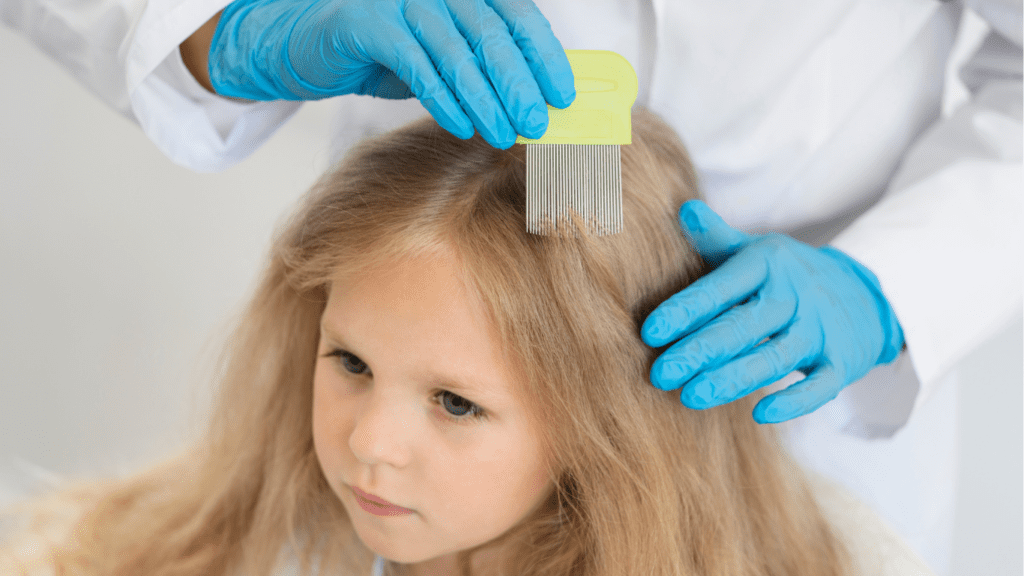
Causes of Pediatric Hair Loss
Biological/Medical Causes
Medical conditions that disrupt the normal hair-growth cycle due to effects on the body’s immune system, hormones and nutrient levels, can lead to hair loss in children.
Common causes:
-
Autoimmune diseases
-
Fungal infections (tinea capitis)
-
Thyroid disorders
-
Deficiencies in iron, zinc, vitamin D
-
Viruses and bacterial infections
Because children are constantly developing, even minor nutritional deficiencies can harm hair development.
Behavioral/Environmental Causes
Many ordinary daily routines can damage the hair shaft:
-
Tight hairstyles
-
Aggressive brushing of hair
-
Excessive heat applied to hair
-
Use of chemical-based hair products
Stress promotes premature shedding of hair.
Genetic Factors
Source: Genetics Home Reference – Hair Loss
Family history plays a large role in pediatric hair loss. The greater the number of relatives with alopecia areata or inherited hair loss, the more likely it is that a child will experience hair loss as well.
Warning Signs of Hair Loss in Children
Seek the advice of a physician immediately if you see:
-
Unpredictable, rapid or patchy hair loss
-
Circular bald patches
-
Scaly, red skin on the scalp
-
Hair falling off excessively onto clothes or pillows
-
Discomfort or itching on the scalp
-
Breaking of hair near the roots
-
Nail changes (usually in alopecia areata)
Identifying hair loss as early as possible will improve the chances of successful treatment and restoration of the child’s hair and confidence.
Diagnosis of Hair Loss in Children
Source: American Academy of Pediatrics – Hair Loss Evaluation
Physicians use the following procedures to diagnose hair loss in children:
-
Visual examination of the scalp
-
Review of the child’s medical history
-
Dermatoscope
-
Fungal culture (if tinea capitis is suspected)
-
Blood tests (to evaluate thyroid function and nutrient levels)
-
Hair pull test
Using the above methods, doctors can determine which type of hair loss the child is experiencing.
Treatment Options for Hair Loss in Children
Source: Mayo Clinic – Hair Loss Treatment
Prescription drugs for hair loss in children may include:
-
Corticosteroid creams and ointments (for hair loss related to autoimmunity)
-
Orally administered antifungals (for tinea capitis)
-
Minoxidil (for children 10 years and older)
-
Immunosuppressive agents (for extreme cases)
Each treatment targets the specific cause of the hair loss (infection, inflammation, or follicular inactivity).
Lifestyle Changes and Behavioral Therapy
Some good habits to adopt:
-
Reduce stress
-
Loose hairstyles (do not wear tight braids, ponytails, buns)
-
Gently brush hair
-
Behavioral therapy for trichotillomania
Nutrition
Vitamins and minerals that aid in keeping hair healthy:
-
Iron
-
Zinc
-
Biotin
-
Protein
-
Omega-3 fatty acids
Some children may need supplements.
Home and Emotional Support
-
Gentle and safe shampoos for children
-
No harsh chemicals or excessive heat styling tools
-
Keep the scalp clean and well-maintained
-
Provide emotional support (children losing their hair can be traumatic for them)
Children can feel insecure about their appearance; providing support will let them know they are not alone.
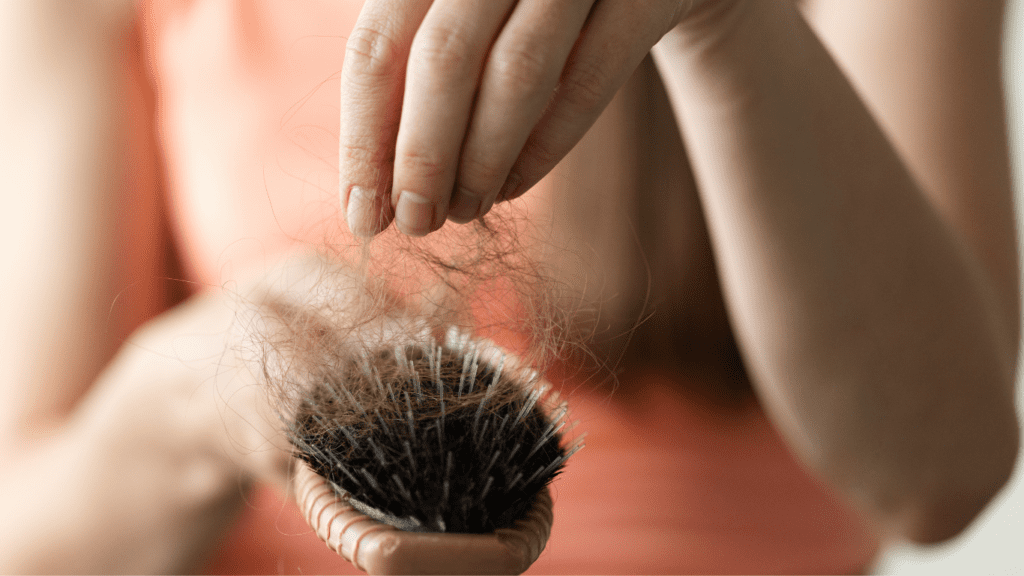
Preventing Hair Loss in Children
While not all forms of pediatric alopecia can be prevented, there are ways to lower the risk of hair loss in children:
-
Treat scalp infections promptly
-
Wear loose hairstyles
-
Eat a balanced diet
-
Avoid excessive stress
-
Practice gentle hair care
When to Consult a Doctor
Visit a doctor if you see:
-
Increasing bald patches rapidly
-
Pus, redness or pain
-
Large quantities of hair falling out
-
Symptoms of tinea capitis
-
Hair loss lasting more than 4-6 weeks
Conclusion
Pediatric alopecia can be disturbing, but learning about the causes, symptoms, and treatment options can ease some fears.
Most forms of pediatric alopecia can be successfully treated if diagnosed early enough. By monitoring the health of the scalp and taking action once symptoms appear, you can help restore both your child’s hair and confidence.
Please visit the following websites for additional information:
Top Hair Loss Clinic
https://tophairlossclinic.com
+30 697 918 6608
contact@tophairlossclinic.com