

Introduction
Is a vitamin deficiency the root cause of your hair loss? While many people think hair loss is caused by genetics, hormonal imbalances, or simply getting older, there is now a growing amount of clinical data showing that hair loss is also related to a lack of vitamin D in the body. Like how vitamin D supports bone health and immune system development, vitamin D also plays an important role in maintaining proper hair follicle function, and yet, few people know about the relationship between vitamin D and their hair.
In this article, we’ll discuss how vitamin D affects hair growth, if it can cause hair loss, what the scientific community knows about vitamin D’s effect on hair, and ways that raising deficient vitamin D levels can promote a healthier head of hair. When you’re done reading, you will understand why vitamin D matters, who is most at risk for developing hair loss due to low vitamin D levels, and what steps you can take to potentially correct a vitamin D deficiency.
What Does Vitamin D Do in Your Body and Why Is It Important to Hair Health?
What Role Does Vitamin D Play in Your Body?
Vitamin D acts similarly to a hormone rather than a typical vitamin; it regulates the body’s calcium balance, immune response, and cell growth. Vitamin D receptors exist in numerous areas of the body, including the skin and hair follicles.
According to the National Institutes of Health, vitamin D is essential for cellular growth and immune regulation, both of which are critical to hair follicle health.
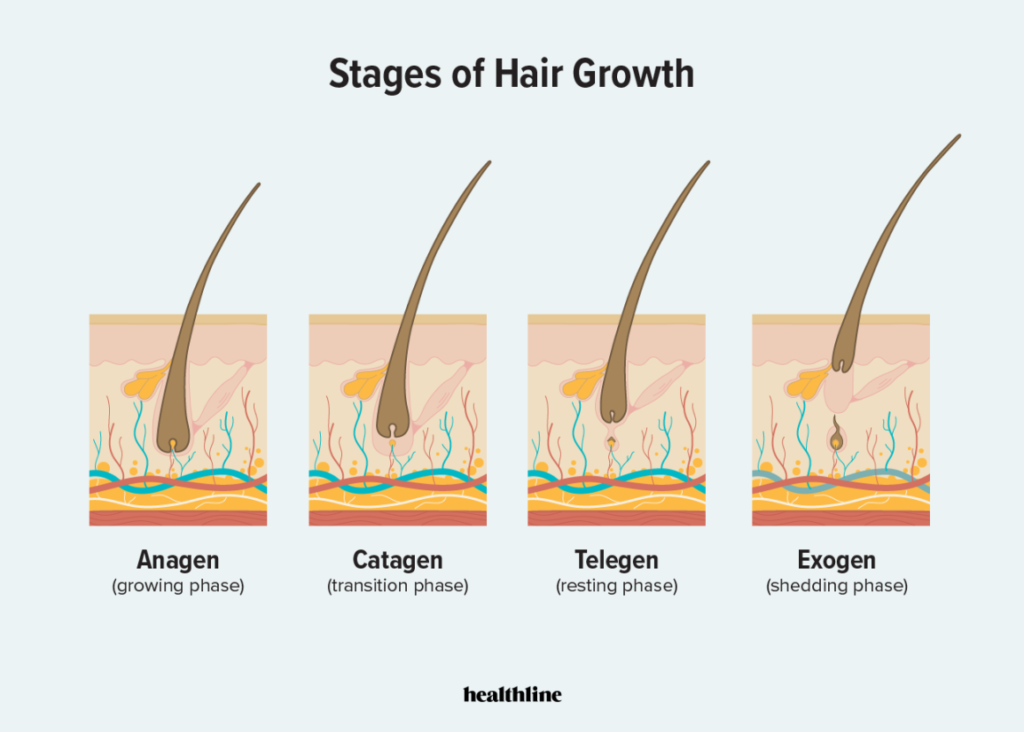
How Does Vitamin D Support Hair Follicle Functionality?
Research shows that vitamin D receptors play a critical role in initiating the anagen phase, the active hair growth phase of the hair cycle. Therefore, a deficiency in vitamin D can disrupt this growth phase and impair normal hair production.
Key roles of vitamin D in hair health include:
- Supports normal hair follicle cycling.
- Activates dormant hair follicles.
- Promotes normal keratinocyte differentiation.
- Supports scalp and skin health.
As a result, low vitamin D levels can negatively affect normal hair growth patterns.
Can Vitamin D Deficiency Cause Hair Loss?
Is Vitamin D Deficiency a Direct Cause of Hair Loss?
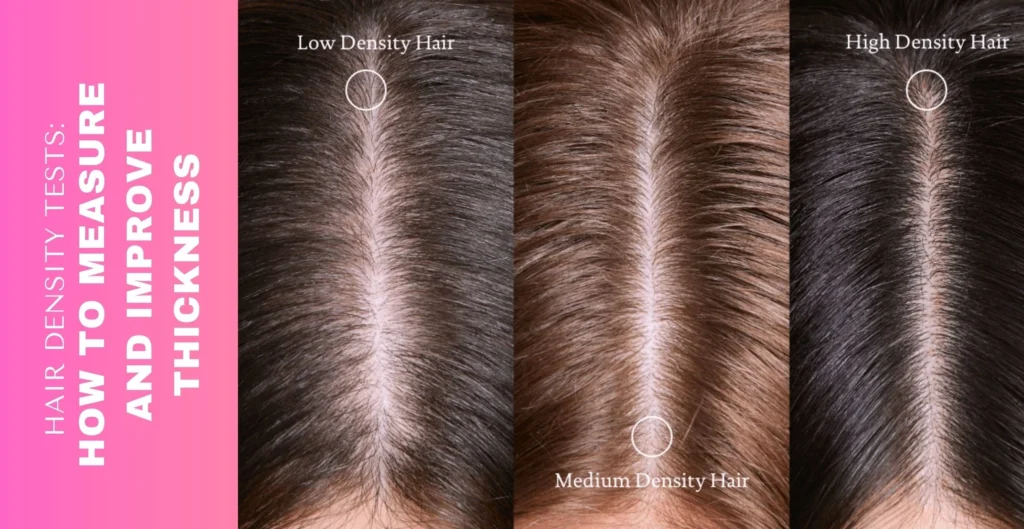
Vitamin D deficiency does not cause all types of hair loss. However, there is growing evidence that it can contribute to hair loss, specifically in individuals who experience diffuse thinning or excessive shedding. Unlike androgenetic alopecia, vitamin D deficiency typically affects overall hair density rather than producing a patterned baldness.
What Types of Hair Loss Are Associated With Vitamin D Deficiency?
Vitamin D deficiency has been associated with several hair loss disorders, including:
- Diffuse hair thinning.
- Telogen effluvium.
- Poor hair regrowth after shedding.
- Autoimmune related hair disorders.
While vitamin D deficiency may not be the sole cause of these conditions, it can worsen existing hair loss or prolong recovery. The American Academy of Dermatology recognizes nutritional deficiencies as contributors to certain hair loss presentations.
Scientific Evidence Relating Vitamin D Deficiency to Hair Loss
What Does Medical Research Show?
Numerous studies demonstrate that individuals experiencing hair loss often have lower serum vitamin D levels compared to healthy controls. In addition, multiple case reports document hair regrowth following the correction of vitamin D deficiency.
One notable example is published in the ISHRS Hair Transplant Forum, where clinicians observed hair regrowth following vitamin D supplementation in patients with severe deficiency.
https://ishrs.org/for-medical-professionals/ishrs-hair-transplant-forum/
Why Are These Findings Important?
These findings highlight that vitamin D deficiency is both treatable and reversible. Unlike genetically driven hair loss, nutritional deficiencies can often be corrected, leading to measurable improvements.
Commonly observed patterns include:
- Severe serum vitamin D deficiency.
- No identifiable genetic or hormonal cause.
- Hair regrowth after vitamin D normalization.
Case Study: Can Correcting Vitamin D Deficiency Restore Hair Growth?
What Happened in the Documented Case?
In a documented case study, a 41 year old male presented with diffuse hair thinning. He had not used commonly prescribed hair loss medications such as minoxidil or finasteride. Blood testing revealed severely deficient vitamin D levels.
What Treatment Was Used?
The patient received vitamin D3 supplementation exclusively under medical supervision. No additional hair growth treatments were introduced during the observation period.
What Were the Results?
After six months:
- Follow up photographs showed visible hair regrowth.
- Overall hair density increased.
- No additional therapies were required.
This case illustrates that in select patients, correcting vitamin D deficiency alone can result in significant improvement in hair growth.
Who Is Most at Risk for Vitamin D Deficiency Related Hair Loss?
Why Is Vitamin D Deficiency So Common?
Despite widespread availability of sunlight, vitamin D deficiency remains prevalent due to lifestyle and environmental factors that limit sun exposure or absorption.
Populations at increased risk include:
- Individuals with limited sun exposure.
- Individuals spending most of their time indoors.
- Individuals with darker skin tones.
- Individuals with inadequate dietary intake.
- Individuals with malabsorption disorders.
- Older adults..
Hair thinning may serve as an early indicator of deficiency and should not be ignored.
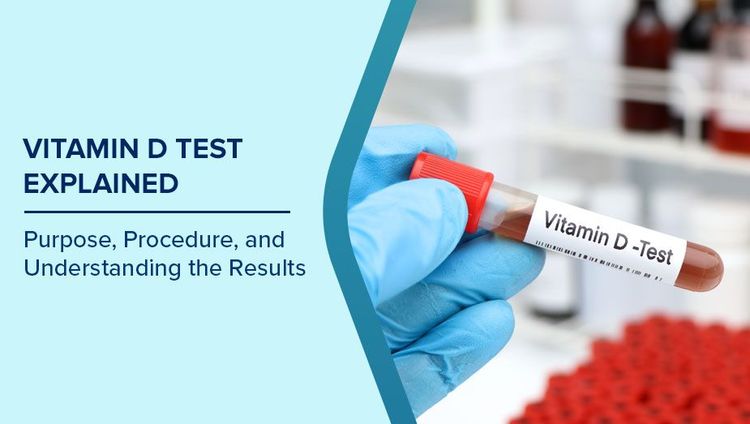
When Should Vitamin D Levels Be Checked for Hair Loss?
Should Everyone With Hair Loss Test Their Vitamin D Levels?
Not all hair loss requires vitamin D testing. However, testing becomes important when hair loss is diffuse, unexplained, or resistant to treatment.
Testing serum 25 hydroxyvitamin D levels should be considered when:
- Hair thinning is non patterned.
- Shedding persists for prolonged periods.
- Hair regrowth is delayed or absent.
- Additional deficiency symptoms are present.
Testing is affordable, widely available, and clinically informative.
Can Supplementation With Vitamin D Improve Hair Growth?
Does Supplementing With Vitamin D Promote Hair Regrowth?
Vitamin D supplementation can improve hair growth only when a deficiency exists. Supplementing in individuals with normal vitamin D levels is unlikely to provide benefit.
Restoring adequate vitamin D levels may:
- Normalize hair growth cycles.
- Improve follicular responsiveness.
- Support healthier regrowth following shedding.
Physicians generally recommend:
- Confirming deficiency via blood testing.
- Prescribing vitamin D3 at appropriate dosages.
- Monitoring levels over time.
Guidance from a healthcare professional is essential to avoid vitamin D toxicity.
Is Vitamin D a Standalone Treatment for Hair Loss?
Can Vitamin D Replace Hair Loss Medications?
Vitamin D is not a replacement for medical treatments used to manage androgenetic alopecia or advanced hair loss. Instead, it addresses a foundational biological requirement that supports hair follicle health.
Vitamin D is most effective when combined with:
- Optimized nutrition.
- Evidence based hair loss treatments when appropriate.
- Proper scalp and skin care.
Correcting deficiency helps create a biological environment that supports better treatment outcomes.
How Long Will It Take to See Results from Vitamin D Supplementation?
When Will Hair Regrowth Occur After Supplementation?
Hair growth is a gradual biological process. After vitamin D levels normalize:
- Reduced shedding may occur within 2 to 3 months.
- Early regrowth may appear by 3 to 4 months.
- Noticeable density improvements often require 6 months or longer.
Consistency and patience are necessary for visible results.
Conclusion
Vitamin D deficiency and hair loss are more closely connected than many people realize. Vitamin D is essential for hair follicle function, and low levels can contribute to diffuse thinning and impaired regrowth. Clinical studies and documented case reports show that restoring vitamin D levels in deficient individuals can lead to meaningful hair improvement.
Although vitamin D is not a cure for all types of hair loss, identifying and correcting a deficiency is a critical step in a comprehensive hair loss evaluation. Anyone experiencing unexplained hair thinning or excessive shedding should consider medical assessment and targeted testing.
Correcting vitamin D deficiency is not only an investment in hair health, but also in long term overall wellness and vitality.