


Dr. Sumer Hair Clinic, London
Dr Sumer Hair Clinic
Dr. Sumer Hair Clinic provides doctor-led hair transplant procedures in London and Istanbul, with a strong focus on natural hairline design, donor preservation and personalised long-term planning.
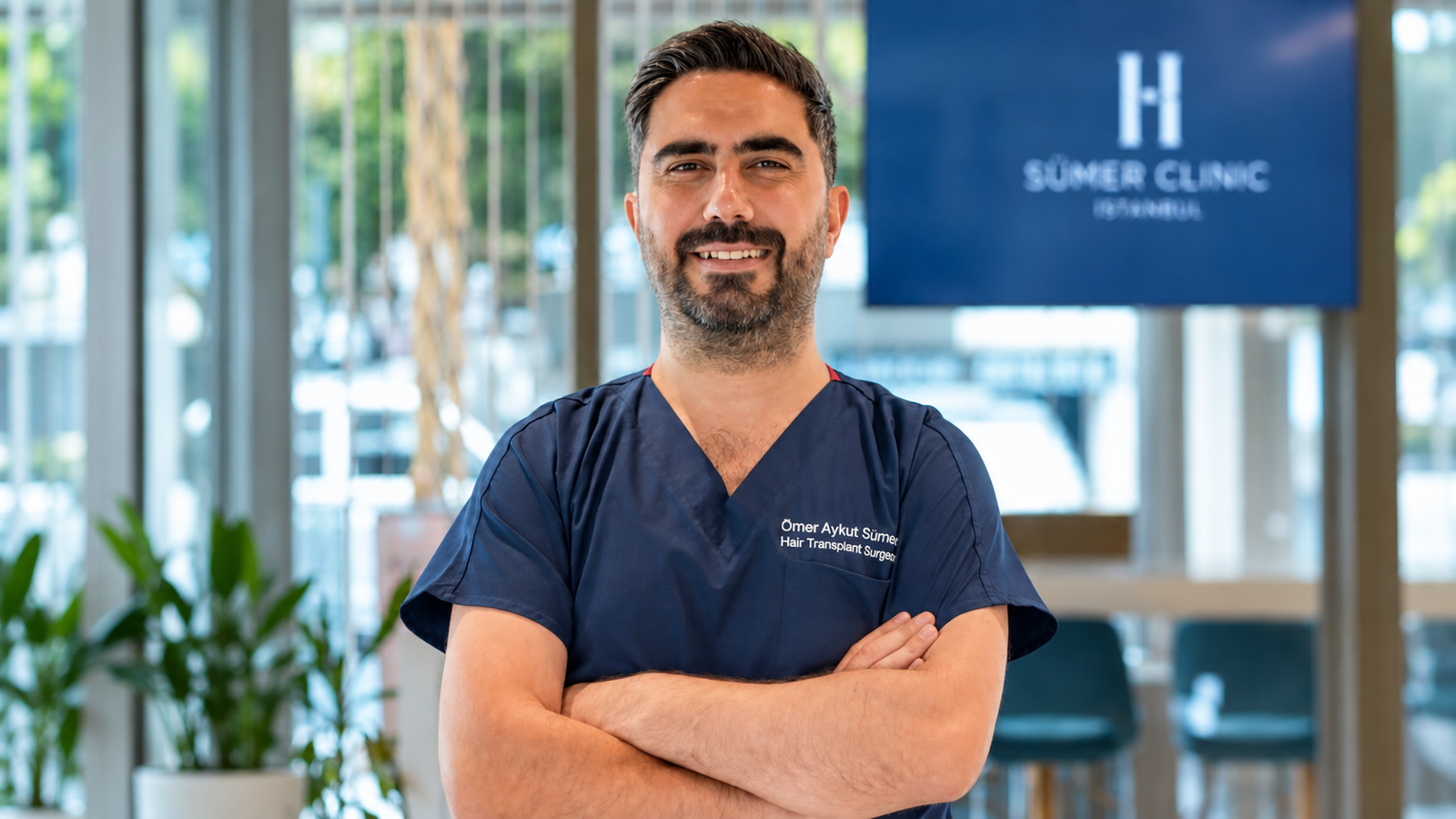
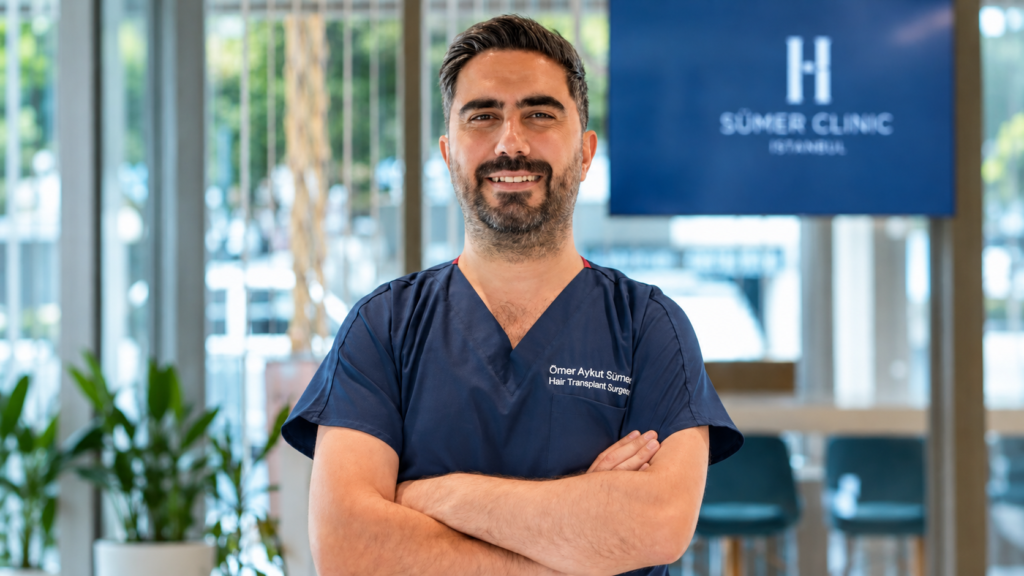
The clinic is led by Dr. Ömer Aykut Sümer, a Turkish hair transplant doctor who is also registered with the UK General Medical Council (GMC). His practice focuses on modern FUE hair transplant, DHI hair transplant, Long Hair FUE, no-shave hair transplantation, beard transplant and eyebrow transplant techniques.
One of the clinic’s main distinguishing features is its one-patient-per-day approach. Rather than following a high-volume model, Dr. Sümer personally manages the surgical procedure and places particular emphasis on individual planning.
About Dr. Ömer Aykut Sümer
Dr. Ömer Aykut Sümer graduated from Cumhuriyet University Faculty of Medicine and initially developed his medical career in emergency medicine. After more than ten years of medical experience, he increasingly focused his practice on hair restoration.
Since moving into hair transplantation, Dr. Sümer has performed more than 1,000 hair transplant procedures and has reportedly assessed or consulted more than 5,000 patients.
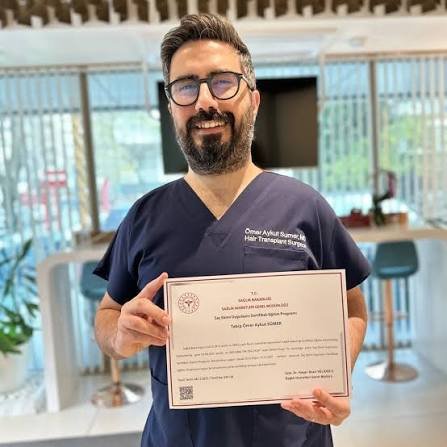
In addition, Dr. Sümer is GMC-registered in the United Kingdom. His professional memberships listed by the clinic include FUE Europe and the American Academy of Aesthetic Medicine.
His approach centres on several principles: careful donor management, age-appropriate hairline design, realistic treatment planning and natural-looking density. Therefore, the consultation does not focus only on how many grafts can be transplanted during one procedure. Instead, the clinic considers the patient’s existing hair loss, donor capacity and potential future progression.
A Doctor-Led Hair Transplant Model
A key feature of Dr. Sumer Hair Clinic is its doctor-led treatment model.
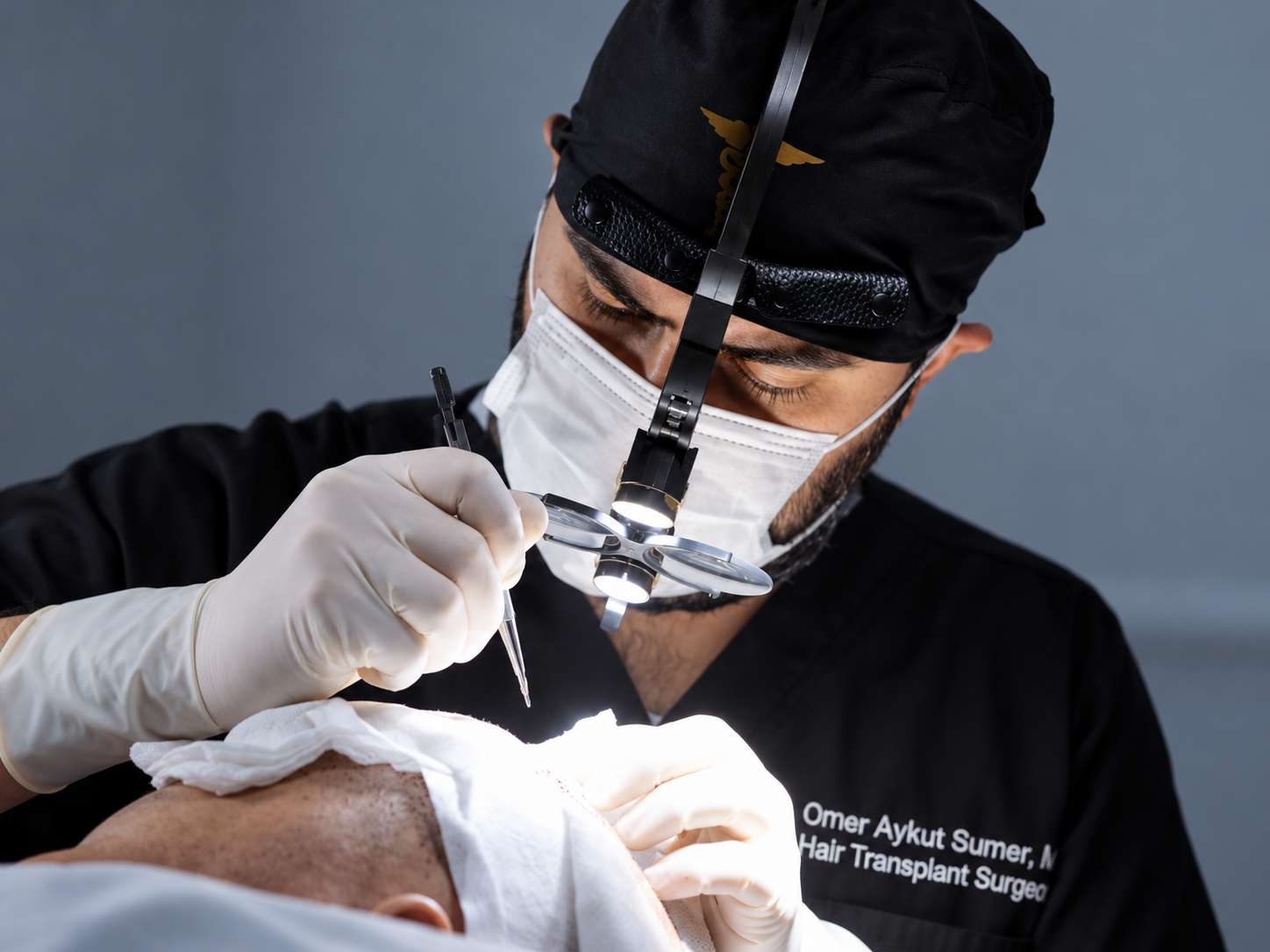
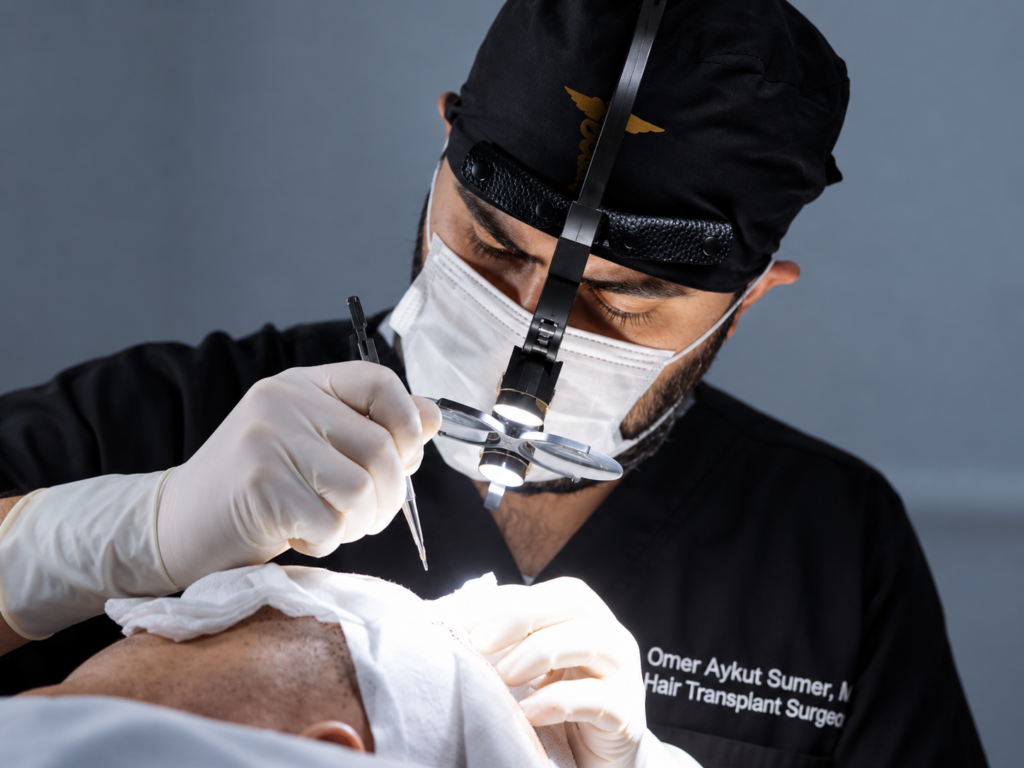
The clinic states that Dr. Sümer personally performs the hair transplant procedure rather than delegating the principal surgical stages to technicians. Moreover, the practice follows a one-patient-per-day model.
This structure allows the doctor to concentrate on a single surgical case and to remain closely involved throughout the patient’s treatment.
For patients comparing hair transplant clinics in Turkey or the UK, understanding who performs each stage of surgery is particularly important. Patients should always ask who designs the hairline, extracts the follicular units, creates the recipient sites and implants the grafts before choosing a clinic.
Hair Transplant Techniques at Dr. Sumer Clinic
Dr. Sumer Clinic offers several hair restoration techniques. The appropriate method depends on the patient’s degree of hair loss, donor characteristics, hairstyle, aesthetic goals and required number of grafts.
FUE Hair Transplant
Follicular Unit Extraction (FUE) involves extracting individual follicular units from the donor area before redistributing them into areas affected by hair loss.
Dr. Sümer uses FUE-based techniques with an emphasis on protecting the donor area and creating a natural distribution of transplanted hair.
Consequently, treatment planning considers not only the immediate cosmetic result but also the patient’s available donor supply for the future.
DHI Hair Transplant
The clinic also offers DHI hair transplantation. With DHI, extracted follicles are implanted using an implanter device that allows the surgeon to control the placement, direction and angle of the grafts.
Dr. Sümer uses DHI when it suits the patient’s individual treatment plan, particularly when precise implantation and density management are important.
Long Hair FUE and No-Shave Hair Transplant
One of the clinic’s more specialised options is Long Hair FUE.
Unlike conventional FUE, which normally requires shaving at least part of the donor area, Long Hair FUE can allow suitable patients to undergo a hair transplant while maintaining their existing hairstyle.
This option can be particularly attractive to professionals, public-facing patients and people who want their procedure to remain relatively discreet.
However, Long Hair FUE is not appropriate for every patient. The doctor must first assess the donor area, number of grafts required and overall treatment objectives.
Sapphire FUE
Dr. Sumer Clinic also lists Sapphire FUE among its available hair transplant techniques.
In Sapphire FUE procedures, the surgeon uses sapphire blades when creating recipient channels. As with any FUE technique, however, the instrument itself does not determine the final result. Surgical planning, graft handling, donor management, hairline design, direction and implantation technique all remain important factors.
Beard Transplant
Dr. Sümer performs beard transplantation for men with sparse, uneven or missing facial hair.
The procedure usually transfers suitable follicles from the scalp donor area into the beard region. Because beard hairs grow at specific angles, careful placement is particularly important when creating a natural-looking beard.
Eyebrow Transplant
The clinic also provides eyebrow transplantation for suitable patients with thin, sparse or partially absent eyebrows.
During eyebrow restoration, individual follicles require very precise placement because eyebrow hairs grow close to the skin and follow changing directions across the eyebrow.
Body Hair Transplant
For selected patients with limited scalp donor capacity, the clinic may also consider Body Hair Transplantation (BHT).
In these cases, suitable beard or body hair can potentially supplement the scalp donor supply. However, body hair differs from scalp hair in texture, growth cycle and other characteristics. Therefore, the doctor must assess candidacy individually.
Natural Hairline Design and Donor Preservation
Successful hair transplantation involves more than filling areas of visible hair loss.
A patient’s donor area represents a limited lifetime resource. For this reason, Dr. Sümer’s stated philosophy places significant emphasis on donor preservation and long-term planning.
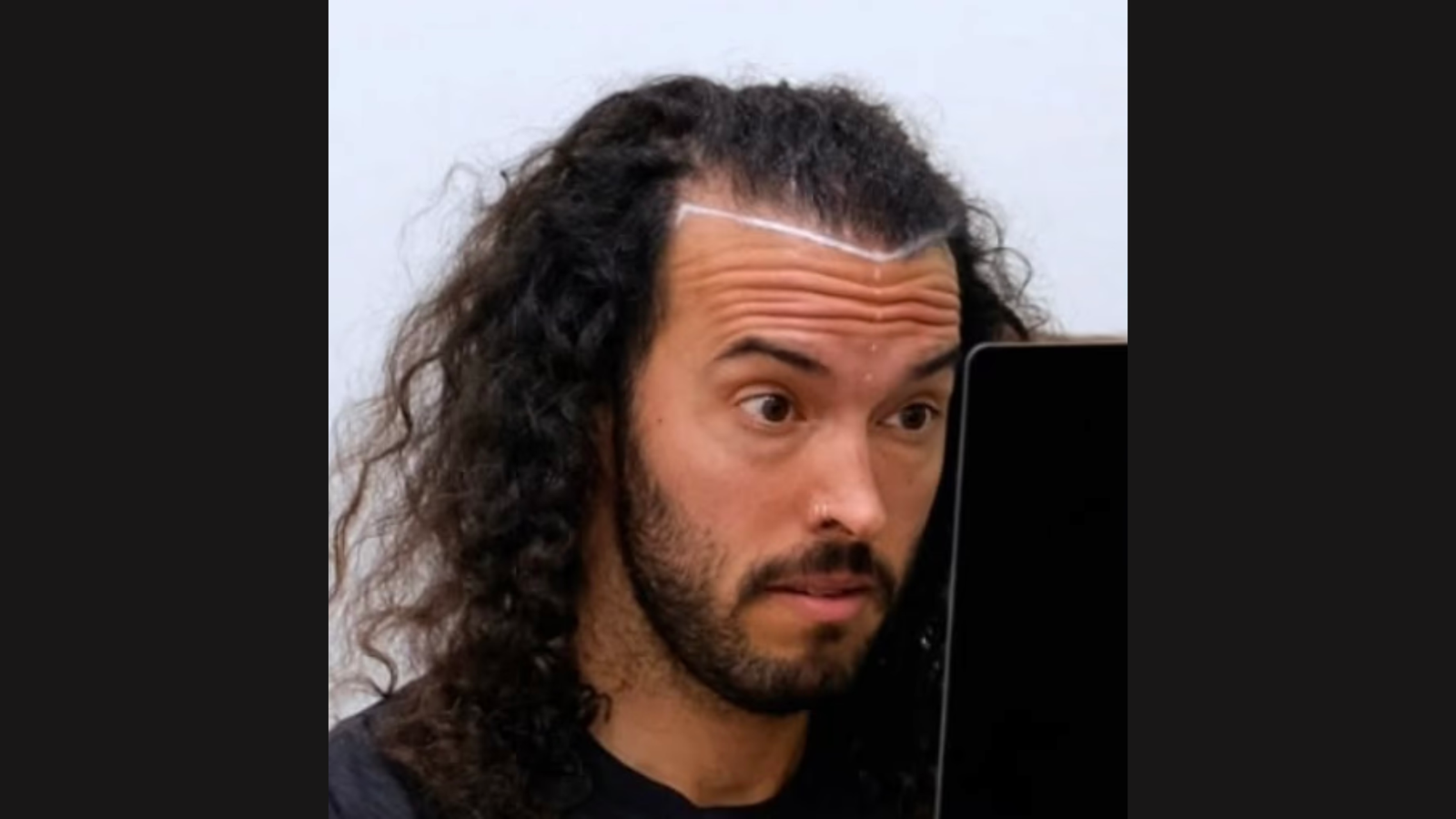
The clinic also focuses on natural hairline design. Hairline shape, height, irregularity, density and graft direction should complement the patient’s facial proportions and remain appropriate as the patient ages.
Therefore, a conservative and personalised approach may be particularly relevant for younger patients or anyone with progressive androgenetic alopecia.
What to Expect from the Consultation
The consultation allows Dr. Sümer to assess the patient’s hair loss pattern, donor capacity and expectations before recommending a procedure.
During the assessment, patients can discuss their preferred hairline, areas of concern and previous hair loss treatments. The doctor can then determine whether a FUE, DHI, Long Hair FUE or another hair restoration approach may be appropriate.
Importantly, not every person experiencing hair loss automatically qualifies for a hair transplant. Donor quality, age, hair characteristics, medical history and the expected progression of hair loss can all influence candidacy.
Hair Transplant in Istanbul
Istanbul remains one of the world’s most established destinations for hair transplant surgery and medical tourism.
Dr. Sümer treats international patients in Istanbul while maintaining the clinic’s doctor-led approach. For overseas patients, this provides access to hair restoration treatment in Turkey while keeping the surgeon directly involved in treatment planning and surgery.
Patients considering a hair transplant in Turkey should compare clinics based on medical involvement and treatment protocols rather than price or advertised graft numbers alone.
Hair Transplant Results
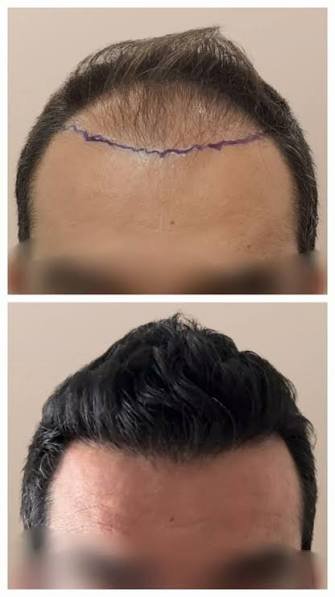
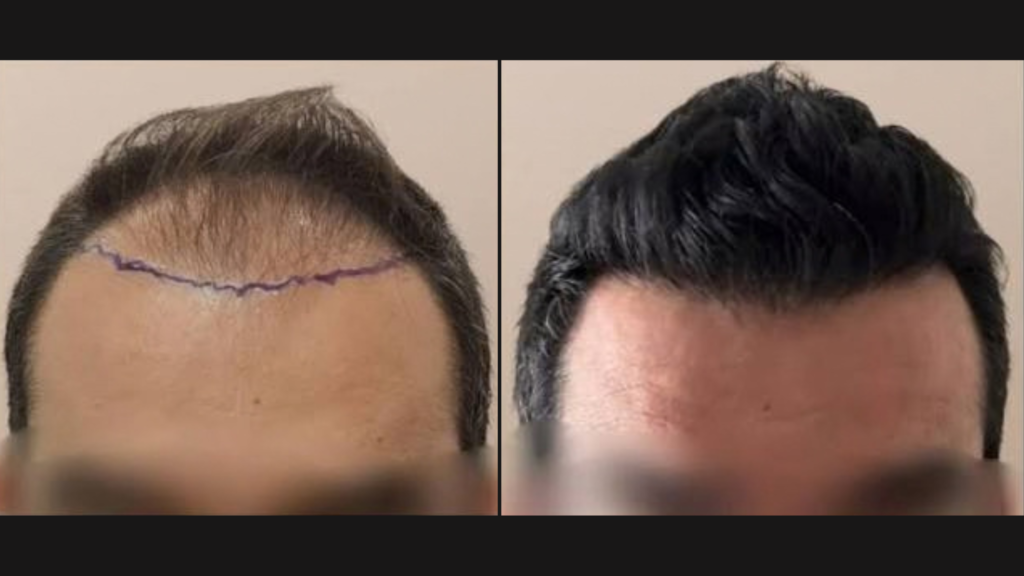
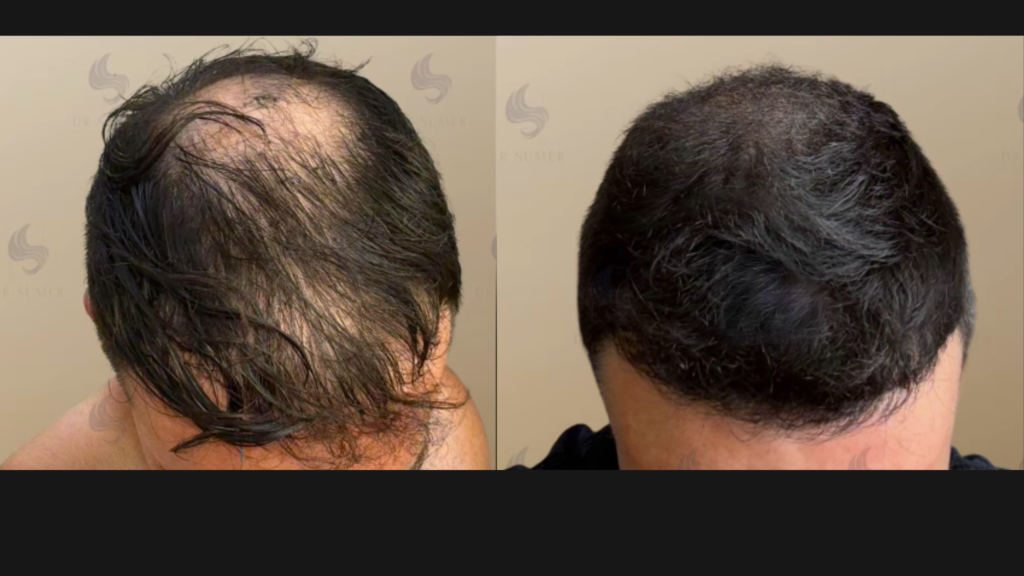
Dr. Sumer Clinic publishes before-and-after hair transplant cases covering FUE and other hair restoration procedures.
When reviewing any hair transplant before-and-after gallery, patients should compare cases that resemble their own pattern of hair loss, donor quality and starting density. Lighting, hair length, styling and the time elapsed after surgery can significantly influence how a result appears in photographs.
Hair transplant growth also develops gradually. Therefore, patients should not judge the final outcome during the early months following surgery.
Who May Consider Dr. Sumer Clinic?
Dr. Sumer Clinic may be relevant for patients specifically searching for:
- a doctor-led hair transplant
- a clinic treating one patient per day
- FUE hair transplant
- DHI hair transplant
- Long Hair FUE
- no-shave hair transplant
- natural hairline restoration
- donor-preservation planning
- beard or eyebrow transplantation
- body hair transplantation in selected cases
- a hair transplant doctor available in London and Istanbul
Ultimately, suitability depends on the patient’s donor capacity, type and progression of hair loss, medical history and expectations.
Χαρακτηριστικά Προσβασιμότητας
- Πρόσβαση με ανελκυστήρα
Ομιλούμενες Γλώσσες
- Αγγλόφωνο προσωπικό
Χαρακτηριστικά Ευκολίας
- Δωρεάν πρόσβαση Wi-Fi
- Εγκαταστάσεις τουαλέτας για ασθενείς
Ταξίδι & Διαμονή
- Τοπικές ταξιδιωτικές ρυθμίσεις
Rate us and Write a Review
